Field test Reviews 8 min
Palram Canopia Hybrid Greenhouse Review: Specs and Verdict
The Canopia Hybrid earned BHG's Best Overall 2024 pick with a 4mm polycarbonate roof, clear side panels, 15 lb/ft² snow rating, and 56 mph wind resistance.
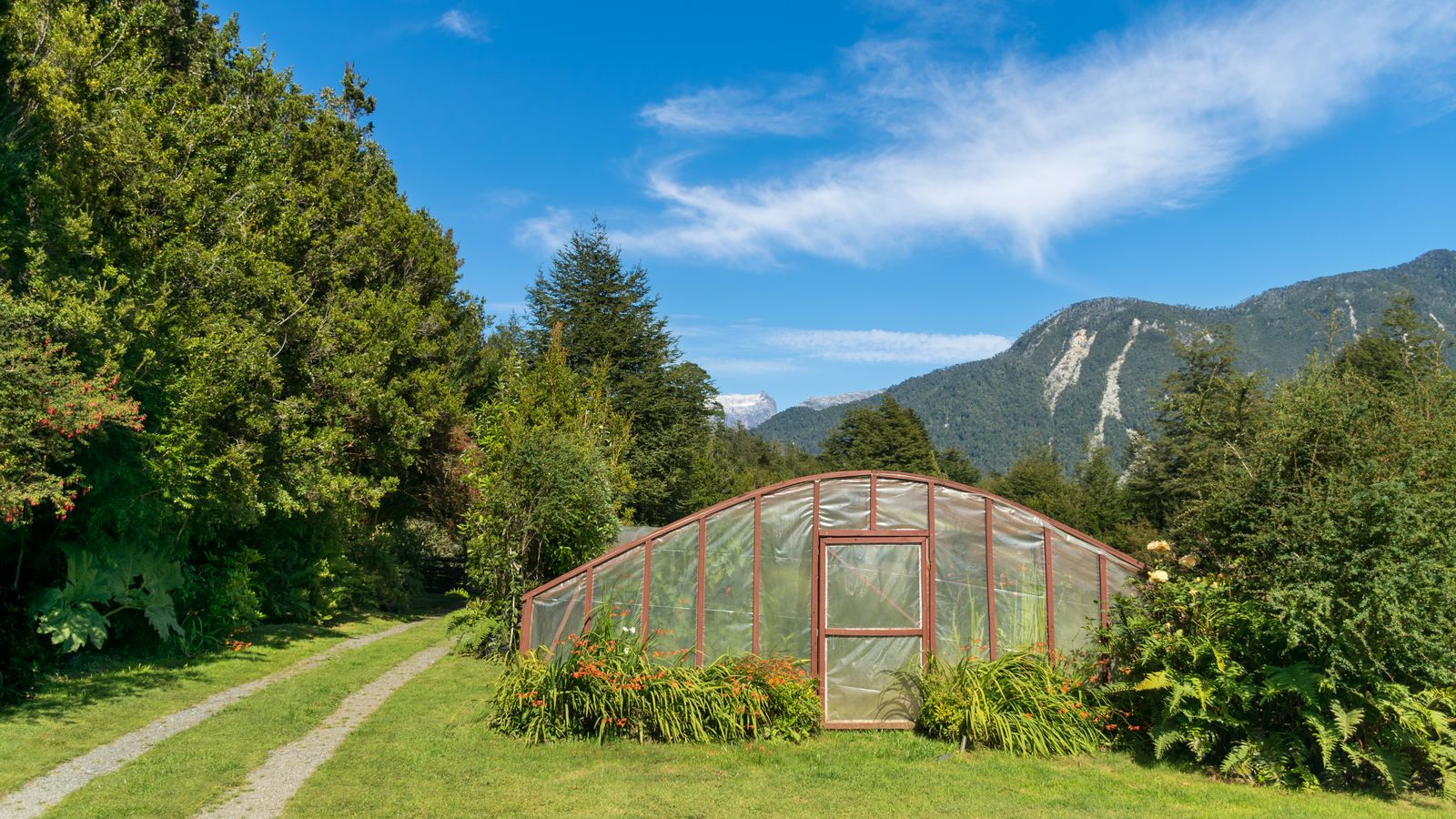
The Palram Canopia Hybrid is a six-wide polycarbonate kit greenhouse rated for 15 lb/ft² of snow load and 56 mph wind. Six sizes run from 6x4 to 6x14. Better Homes and Gardens named it the Best Overall Greenhouse Kit of 2024. It suits mild-climate season extension, not four-season growing in snow country.
The Hybrid sells through Home Depot, Amazon, and major garden retailers. Canopia does not publish MSRP on the manufacturer site. This review covers the specs, the design logic, and who the Hybrid is actually built for.
What “Hybrid” Means
The name refers to the glazing design, not the frame. Most polycarbonate kit greenhouses use the same panel type throughout. The Canopia Hybrid uses two.
The roof panels are 4mm twin-wall polycarbonate. Twin-wall construction creates a dead air gap between two layers of polycarbonate, which insulates better than a single clear sheet. At 4mm, the R-value is approximately R-1.1, which is the standard entry-level insulation value for polycarbonate kit greenhouses.
The wall panels are single-wall clear polycarbonate. Single-wall admits more light than twin-wall because there is no internal structure casting shadow. The tradeoff is lower insulation on the walls versus the roof.
The logic: most heat loss from a small greenhouse happens through the roof, because hot air rises. Putting the insulating twin-wall on the roof where heat escapes most readily, and accepting clear single-wall on the walls where light penetration matters most, is a rational design tradeoff for season-extension use. It falls apart for genuine cold-climate year-round growing, where wall insulation matters considerably.
For a full comparison of twin-wall polycarbonate versus single-wall versus PE twin-wall across all thicknesses and R-values, the greenhouse plastic guide has the numbers.
The Size Lineup
The Hybrid is six feet wide across all sizes. Five footprints are available: 6x4, 6x8, 6x10, 6x12, and 6x14. Peak height is 6’10” across all sizes. Sidewall height is 4’7”.
The 6-wide frame fits two growing benches, one on each side, with a center aisle. The 6’10” peak provides comfortable working headroom at the ridge. You cannot grow indeterminate tomatoes to full height inside the Hybrid. The peak is enough for herbs, leafy greens, peppers, and early-start seedlings.
The 6x4 model is the smallest version. At 24 square feet, it fits a single bench along one wall and room to turn around. It works for starting seedlings, overwintering potted tender perennials, or extending the growing season on a small deck or patio where space is the hard constraint.
The 6x8 (Model #701572) is the most common starting point, giving enough growing room for two full-length benches and a typical season-extension crop mix.
Snow, Wind, and Structural Ratings
The Canopia Hybrid is rated at 15 lb/ft² for snow load and 56 mph for wind. Both figures are published on canopia.com and verified in June 2026.
On the snow rating: 15 lb/ft² sits at the lower end of published ratings for residential polycarbonate kit greenhouses. A wet spring snowstorm in Zone 5 or colder can deposit 15 to 20 lb/ft² in a single event. At 15 lb/ft², the Hybrid reaches its rated capacity during one heavy wet storm with no margin to spare. Proactive snow management is important for anyone using this kit in a climate with meaningful winter snowfall. A roof rake after any accumulation over a few inches is standard practice.
On the wind rating: 56 mph falls below the ASCE 7 design wind speed for most of the continental United States. Most residential sites in the lower 48 have a design wind speed of 85 to 115 mph. The Hybrid relies on proper siting and secure anchoring rather than frame-level structural margin to perform safely in its intended mild-climate zone. A wind-sheltered location, secured base kit, and avoiding exposed-field placement reduces the practical risk significantly.
For snow-country buyers who need higher structural ratings, the Grandio Elite review covers a competing direct-sale kit rated at 25 lb/ft² and 76 mph. For a full explanation of how to read structural ratings against your county’s ground snow load, the snow and wind load guide has the math.
Frame Colors and Construction
The Hybrid’s powder-coated aluminum frame comes in four colors: Black, Grey, Green, and Silver. All four carry the same structural specifications and warranty terms.
The powder-coated finish requires no maintenance beyond occasional washing. Powder-coated aluminum under residential conditions does not corrode and does not need repainting over the kit’s lifespan.
Frame color has minimal practical effect in most mild-climate season-extension applications. Black frames absorb slightly more solar heat, which can provide a marginal benefit during very early spring starts in borderline cold conditions, but the effect is small in a well-ventilated structure.
Warranty
Canopia covers the Hybrid with a 5-year warranty on both the aluminum frame and the polycarbonate panels. Verified at canopia.com in June 2026.
For comparison: the Grandio Elite carries a lifetime warranty on the aluminum frame and 15 years on the polycarbonate panels. The Hybrid’s 5-year term is standard for retail-channel polycarbonate kit greenhouses at this price tier.
Accessories
The Hybrid has a documented accessory ecosystem available through Canopia. Verified accessories from canopia.com (June 2026) include a fan heater, LED grow lighting kit, shade cloth, automatic roof vent opener, ground anchor kit, base extension kit, and staging and shelving units.
The automatic roof vent opener delivers the most practical value for season-extension use. In spring and fall, a small greenhouse heats up quickly on sunny days even when outside air temperatures are cold. A beeswax-actuated automatic vent opener actuates based on internal temperature with no electrical connection required, keeping the greenhouse from overheating during warm afternoons while closing overnight to retain heat. If you want a spare or a higher-lift unit, the Bayliss MK7 automatic vent opener is the wax-cylinder standard.
The ground anchor kit matters for the wind rating context. The Hybrid’s structural ratings assume the base is anchored correctly. On soft soil, an unanchored kit can shift, which loosens panel connections and throws doors out of square over seasons. The greenhouse foundation guide covers anchoring options by soil type.
Pricing and Where to Buy
Canopia does not publish MSRP on its manufacturer website. The Hybrid is sold through Home Depot, Amazon, and major garden retailers. Retail pricing was not independently verified at publication time (June 2026), as retail pages were unavailable for automated retrieval. Check current pricing at your preferred retailer for the specific size you want.
Note on commissions: Our verdict on the Hybrid rests on the spec sheet and verified retail data, not on a payout. The day-one accessory links below are separate Amazon items that do carry a commission, at no extra cost to you.
Assembly
Canopia describes the Hybrid as a kit with pre-drilled aluminum profiles, polycarbonate panels, and hardware organized by component. Assembly uses standard hand tools; no power tools are required. Canopia does not publish an estimated assembly time on the product page.
Most residential polycarbonate kit greenhouses at this footprint run 4 to 8 hours for two people. The Hybrid’s interlocking profile design and pre-drilled channels reduce measurement error during assembly.
A level surface matters more than most buyers expect. Even a slight grade across the base throws door alignment off and creates gaps in panel connections. Spending an hour leveling the base before assembly saves that time twice over during the growing season. The greenhouse foundation guide covers base prep by soil type and climate.
Who Should Buy the Canopia Hybrid
It makes sense if: You’re in Zone 7 or warmer and want a polycarbonate kit greenhouse for spring head starts, fall frost protection, and season extension. The 15 lb/ft² snow rating is adequate for mild-climate ground snow loads below 10 lb/ft². The clear-wall design admits good light for early-season seedlings. The official accessory ecosystem covers the standard season-extension needs, and retail availability through major channels means easy ordering and return options.
It doesn’t make sense if: You’re in Zone 5 or colder, or your county’s ground snow load runs above 12 lb/ft². The Grandio Elite or Exaco Riga is the better structural choice for frost-belt buyers. If higher insulation value at a comparable price is the goal, the cheap greenhouse heating guide runs the heating cost math by glazing type, kit size, and zone.
Consider the Canopia Glory instead if: You want 10mm twin-wall polycarbonate throughout, an 8-foot-wide footprint, and more premium construction from the same brand. The Palram Canopia Glory review covers the Glory in detail, including the size options and what the panel upgrade actually buys.
The Bottom Line
The Canopia Hybrid is a well-specified entry-level polycarbonate kit for mild-climate season extension. The BHG Best Overall 2024 recognition reflects its value within that category. The 15 lb/ft² snow rating and 56 mph wind resistance set a clear geographic boundary: Zone 7 and warmer, sheltered sites, climates where ground snow loads stay below 10 lb/ft². Within those bounds, the mixed glazing design, four color options, full accessory ecosystem, and retail availability are a coherent package.
For Zone 5 or colder, the structural specs are the limiting factor. Step up to the Grandio Elite or Exaco Riga for those climates.
Accessories worth buying on day one
The Hybrid is sized for season extension, so the accessories that matter are the ones that watch the temperature and keep the panels seated.
- AcuRite indoor/outdoor digital thermometer: a remote probe shows the overnight low inside, the number that tells you when a frost night needs a heater.
- Bio Green Palma greenhouse heater: a sized electric heater holds a target minimum on the cold spring and fall nights at the edge of this kit’s range.
- Inkbird ITC-308 temperature controller: it switches the heater on only below your set point, so it runs no more than it has to.
- Stainless steel greenhouse panel clips: the clear single-wall wall panels can work loose over seasons, and spare clips reseat them before a gust finishes the job.
As an Amazon Associate, Defy Frost earns from qualifying purchases.