Field test Reviews 9 min
Outsunny Walk-In Greenhouse Review: What You Actually Get
Outsunny walk-in greenhouses reviewed: the $140 PE-cover entry vs. the $347–590 polycarbonate class, wind ratings decoded, and who should step up.
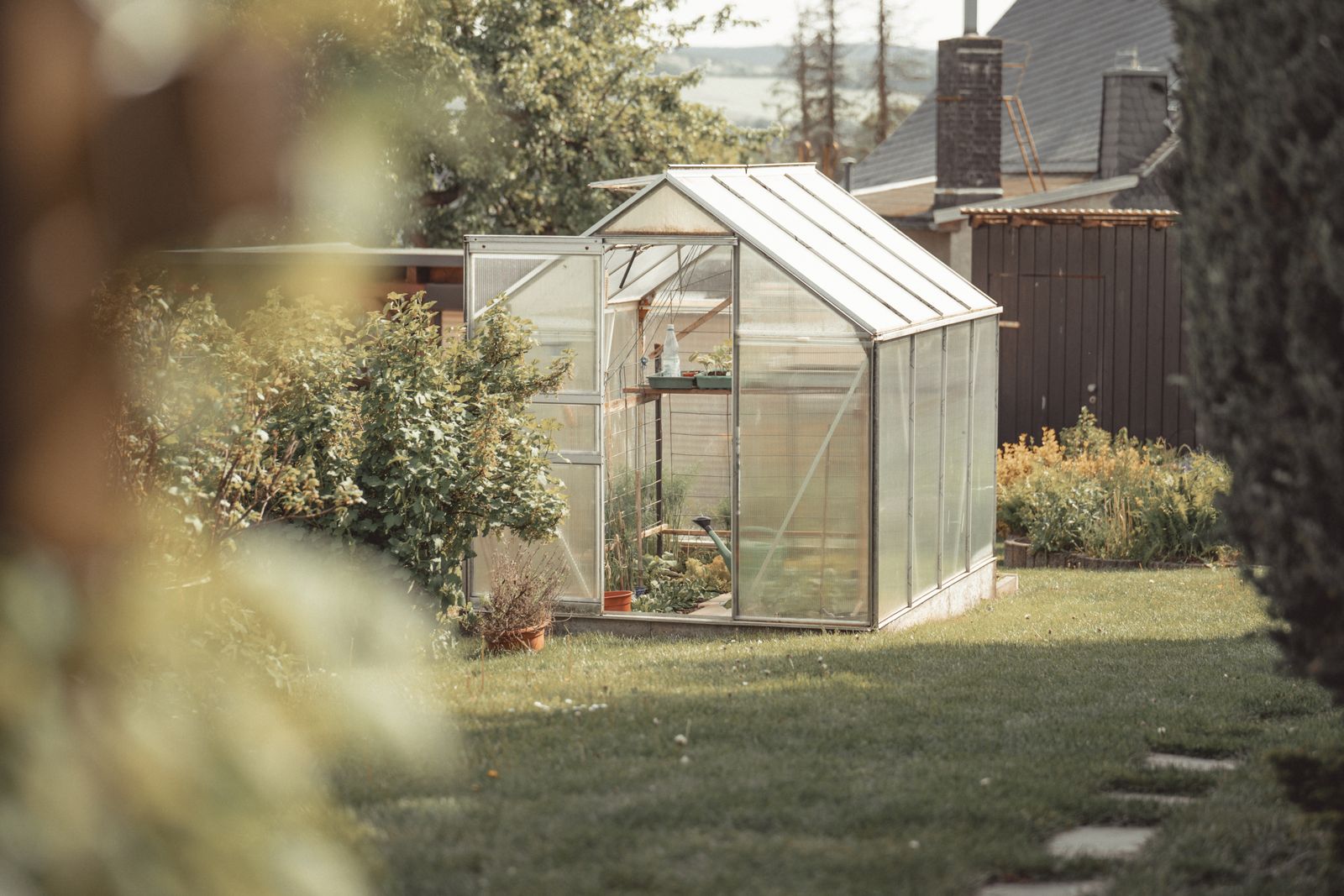
Outsunny walk-in greenhouses run from $139.99 for the steel-frame PE cover model to $589.99 for the 6x10 polycarbonate. The polycarbonate models give frost and rain protection in mild climates. The 4mm glazing, 12 m/s wind rating, and 8.19 lb/ft² snow load tell you what they are: entry-level frost shields, not serious four-season growing structures.
That framing matters. Outsunny’s lineup is mass-market and better suited to zone 7-and-warmer frost extension than to zone-5 winter growing. If the goal is protecting tomatoes from a late-April cold snap or keeping basil alive through October, these do that job. If the goal is growing greens through a Michigan February, a polycarbonate kit with triple the glazing thickness and a documented 56 mph wind rating is the right purchase. The Palram Canopia Hybrid review covers that tier in full.
The full lineup, verified June 2026
Prices from outsunny.com, verified June 2026. A sitewide 10% discount code was active at verification; regular prices are shown. Walk-in structures only, excluding mini-shelved units and cold frames.
| Model | Footprint | Frame | Glazing | Price |
|---|---|---|---|---|
| 7’ x 5’ x 6’ Walk-In | 7x5 | Steel | PE cover | $109.99 |
| 8’ x 6’ x 7’ Walk-In | 8x6 | Steel | PE cover | $139.99 |
| 6’ x 4’ Lean-to | 6x4 | Aluminum | Polycarbonate | $273.99 |
| 8’ x 4’ Lean-to | 8x4 | Aluminum | Polycarbonate | $299.99 |
| 6’ x 4’ Polycarbonate | 6x4 | Aluminum | 4mm twin-wall | $346.99 |
| 6’ x 6’ Polycarbonate | 6x6 | Aluminum | Polycarbonate | $399.99 |
| BloomGreen 6’ x 8’ | 6x8 | Aluminum | Polycarbonate | $449.99 |
| BloomGreen 12’ x 6’ | 12x6 | Aluminum | 6.35mm twin-wall | $459.99 |
| BloomGreen 6’ x 10’ | 6x10 | Aluminum | Polycarbonate | $589.99 |
Polycarbonate thickness is verified for the 6’ x 4’ (4mm) and BloomGreen 12’ x 6’ (6.35mm / 0.25”). Thickness for other models was not stated on the product pages reviewed; check current listings before purchase.
The PE cover tier
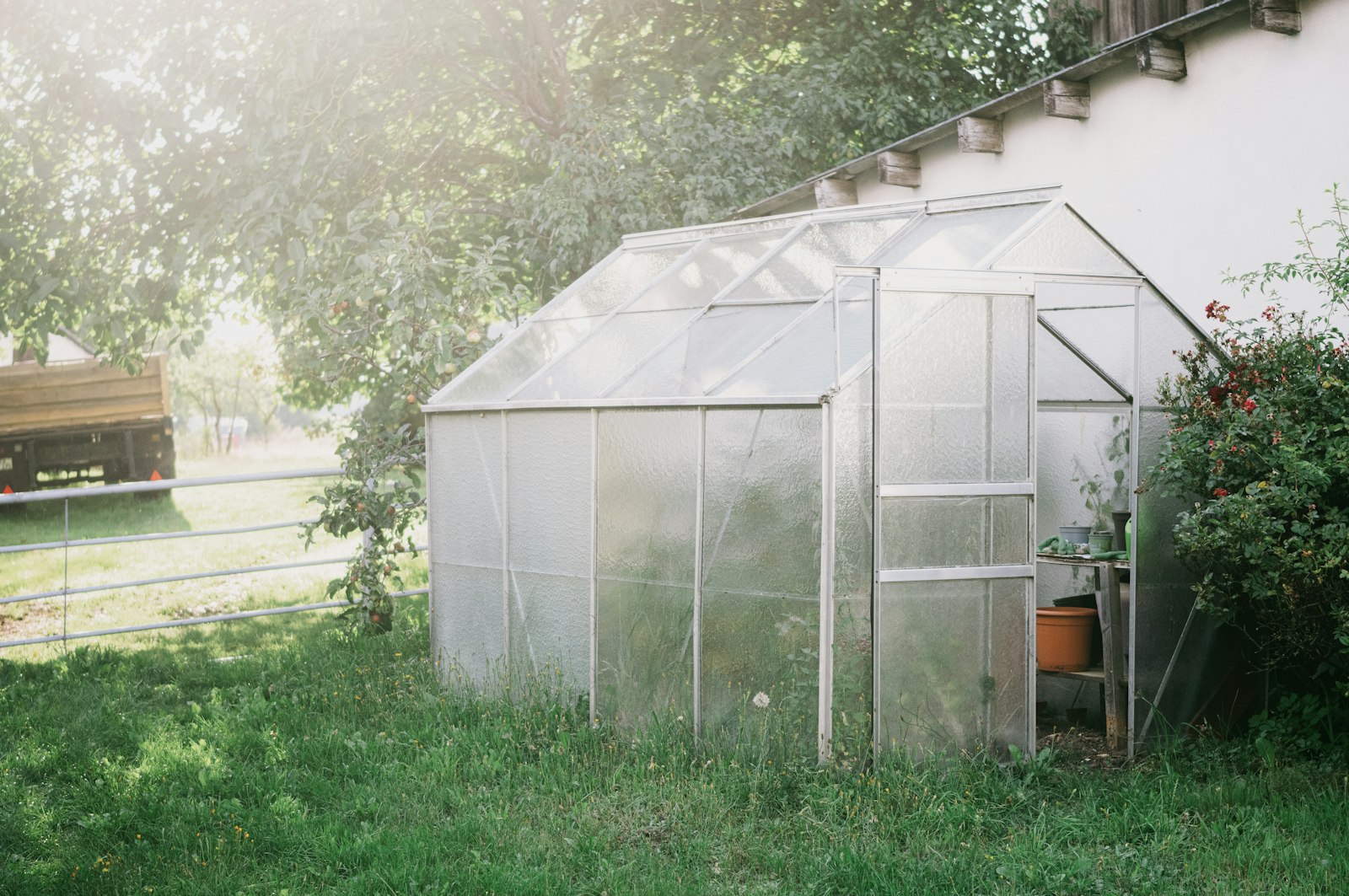
The 7’ x 5’ at $109.99 and 8’ x 6’ at $139.99 use a PE (polyethylene) cover stretched over a powder-coated steel frame. Outsunny’s PE cover models are sold with 4-tier shelving systems: 18 shelf spaces, 22 pounds per tier, suited to starting seed trays and overwintering potted plants.
PE cover is not polycarbonate. It is the same class of material used in basic hoop tunnels: thin, light, and designed to let sunlight in and rain out. The UV-blocking coating slows degradation, but PE fabric is a consumable. It provides no real insulation value beyond blocking wind.
The 8’ x 6’ has a 46-inch-wide roll-up zipper door, which is genuinely wide enough to move flats and trays without turning sideways. There are no dedicated ventilation openings beyond that door. On a warm spring afternoon, interior temperatures in a PE cover structure will climb fast. The ventilation plan is “open the door.”
What the PE cover greenhouse does: it’s a waterproof shelter for plants that need protection from rain and light frost. It is not a growing environment for crops requiring sustained warmth.
The polycarbonate tier: what the specs mean
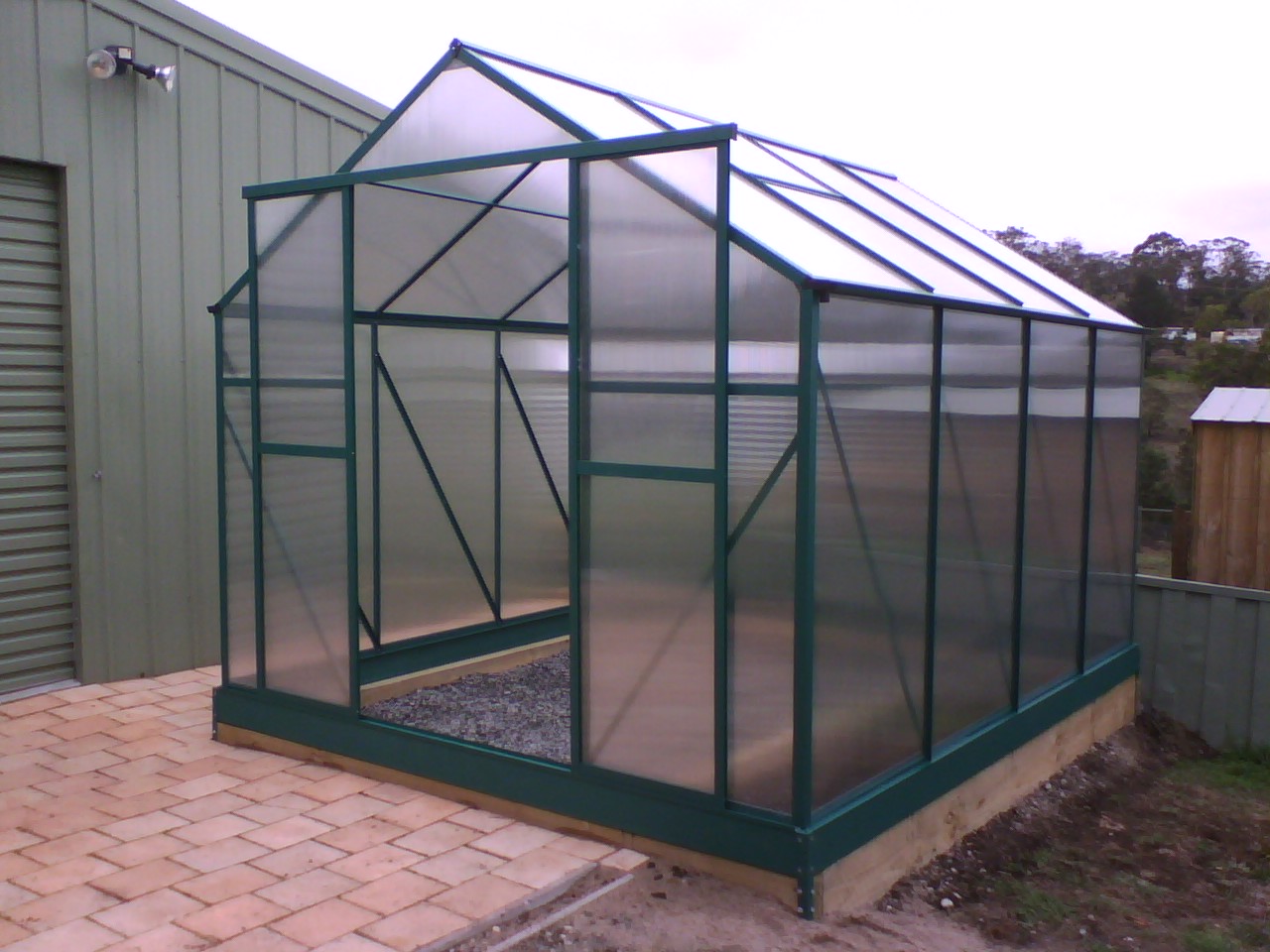
The 6’ x 4’ polycarbonate at $346.99 is where Outsunny crosses from fabric to rigid glazing. The difference is real. Twin-wall polycarbonate holds heat in a way that fabric cannot, the aluminum frame is more stable than the steel rods on the PE cover units, and rain gutter and roof vent inclusions add practical function.
Glazing thickness: The 6’ x 4’ uses 4mm twin-wall polycarbonate. The BloomGreen 12’ x 6’ uses 6.35mm. For comparison: premium greenhouse kits use 6mm, 8mm, or 10mm twin-wall. The R-value of 4mm twin-wall runs approximately 1.1. The greenhouse plastic guide covers the full thermal comparison across polycarbonate thicknesses. In practical terms, 4mm retains overnight heat at roughly half the rate of the 10mm panels used in the Palram Canopia Glory.
Wind rating: The 6’ x 4’ is rated at 12 m/s, approximately 27 mph. Beaufort Level 7 (near gale) starts at 32 mph. A moderate summer thunderstorm routinely produces gusts of 40 to 60 mph. The wind rating means this structure needs careful site selection and anchoring. In known-storm areas, supplemental ground anchoring beyond the included stakes is worth adding, and a set of Ashman auger ground anchors bites deeper into the soil than the flat stakes that ship in the box.
Snow load: The 6’ x 4’ is rated for 8.19 lb/ft² of snow. Light, dry snow weighs 3 to 7 lb/ft² per foot of depth. Wet, heavy snow in coastal or lake-effect zones can exceed 20 lb/ft². At 8.19 lb/ft², a moderate wet snow accumulation may approach or exceed the design load. In snowy climates, clear snow manually during and after events. Do not wait for natural melt.
Door width: The sliding door on the 6’ x 4’ opens to 23.5 inches. That is a tight passage for moving flats and equipment. The 12’ x 6’ door is roughly 24 inches wide. The 8’ x 6’ PE cover model’s roll-up door opens to 46 inches. If moving a flat of 72-cell trays without turning sideways matters to you, this is worth checking before ordering.
What these structures do well
For zone 7 and warmer, Outsunny’s polycarbonate models handle the core seasonal tasks without drama. Starting seeds in February when ground temperatures are still in the 40s: viable, with a small heat mat. Protecting tomatoes and peppers from an unexpected May frost: solid. Keeping basil alive through October in zone 7: yes. A season-extension greenhouse for a mild-winter gardener who wants a step up from a plastic cold frame and does not need to grow through a zone-5 January: the Outsunny polycarbonate class makes sense at the price.
The included rain gutter is useful. It channels roof runoff away from the base rather than letting it pool against the frame. Pooling accelerates oxidation on the galvanized steel reinforcing base and softens ground at the anchor points.
Assembly on these models is bolt-together, with an included manual and a PDF download available. Outsunny publishes a customer service email and phone number. For a $350 to $460 kit, that level of manufacturer support is reasonable.
Where the ceiling hits
Winter in a serious frost zone: An unheated Outsunny polycarbonate will run 10 to 20 degrees Fahrenheit warmer than outdoor ambient on still nights. In zone 7 (minimum 0 to 10°F), a small supplemental heater can bridge the gap to 40°F through typical winter nights. In zone 5 (minimum -10 to -20°F), bridging 40 to 50 degrees requires sustained output through a structure with R-1.1 glazing, a 12 m/s wind rating, and an 8 lb/ft² snow load. The cheap greenhouse heating guide covers heater sizing in full.
Heating load calculated from verified specs: For the two models where full dimensions and glazing thickness are confirmed from outsunny.com:
| Model | Approx. glazing area | R-value (4mm PC) | BTU/hr at 25°F diff | BTU/hr at 40°F diff |
|---|---|---|---|---|
| 6’ x 4’ polycarbonate | ~145 sq ft | R-1.1 | ~3,300 BTU/hr | ~5,300 BTU/hr |
| BloomGreen 12’ x 6’ | ~270 sq ft | R-1.35 (6.35mm) | ~5,000 BTU/hr | ~8,000 BTU/hr |
Glazing area estimated from verified exterior dimensions. Add 20% safety margin to all figures. At a 40°F temperature difference (outdoor 0°F, target 40°F indoor), the 12’ x 6’ requires approximately 8,000 BTU/hr, which is a 750W to 1,000W continuous electric heater in sustained operation. In a zone-5 winter, that heater may run six to eight hours per night for months.
Warranty and panel longevity: Outsunny’s warranty runs 1 to 2 years depending on model, as stated on product pages. Palram Canopia’s is 5 years. Entry-level polycarbonate panels with lighter UV barrier coatings may show yellowing sooner than premium panels over a long installation, though early-year performance is typically comparable.
Foundation and anchoring: These structures ship with galvanized steel ground stakes and a reinforcing base. They are not designed for a concrete foundation. In frost-heave climates (zone 5 and colder), ground-staked bases shift seasonally. The greenhouse foundation guide covers the anchoring options by climate.
The step-up
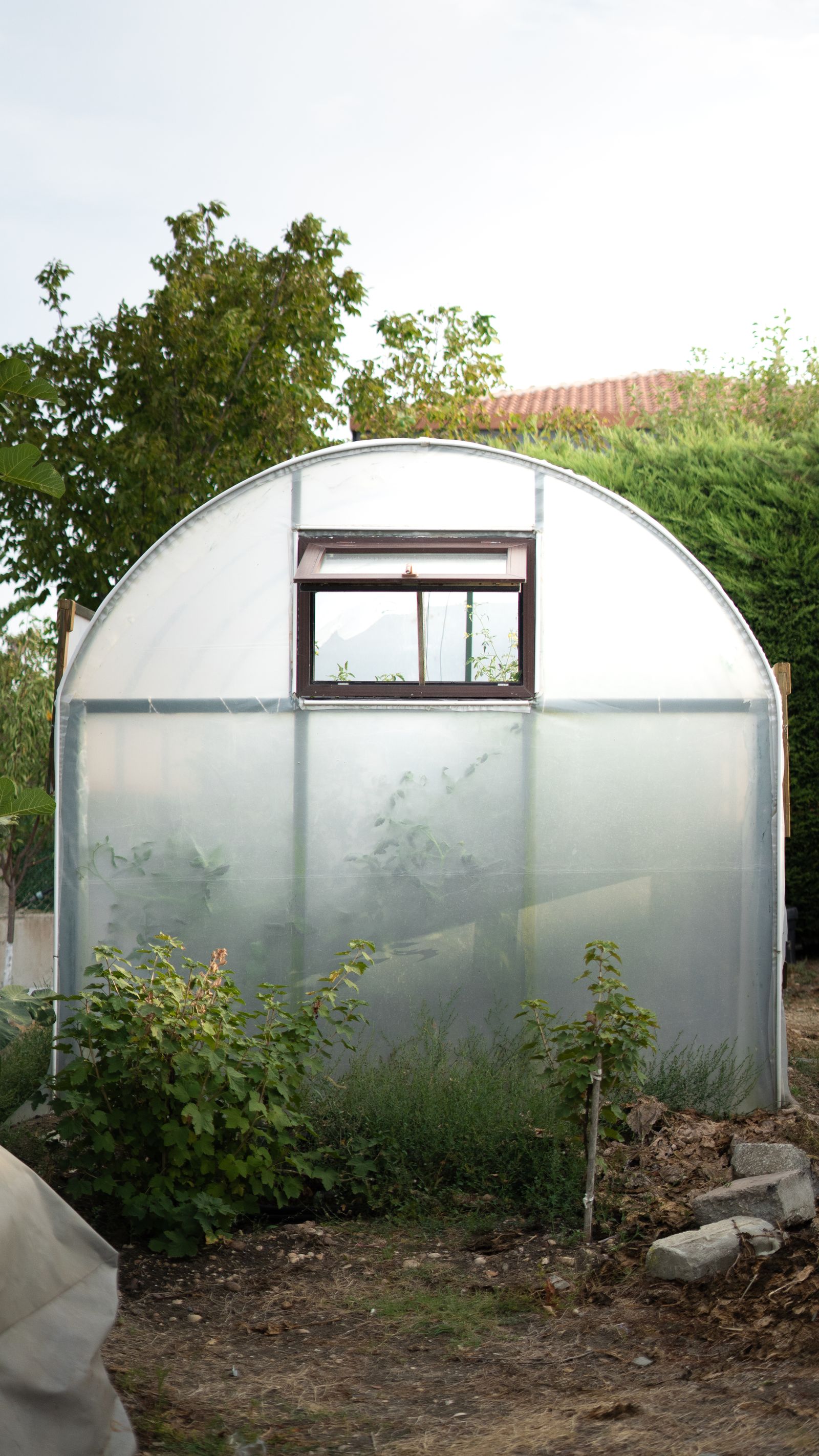
The next tier up from Outsunny polycarbonate is a 6mm or 8mm twin-wall kit with documented wind ratings in the 40-plus-mph range and snow loads above 15 lb/ft². The Palram Canopia Hybrid starts in that territory: 4mm twin-wall polycarbonate roof with clear polycarbonate walls, 56 mph wind rating, 15 lb/ft² snow load, 5-year warranty, and aluminum frame in multiple size options. Prices run roughly $500 to $900.
At the Outsunny 12’ x 6’ price of $459.99, the gap to a Canopia Hybrid entry model is narrower than the number suggests. When total cost of ownership includes heater electricity in zone 5 and panel replacement over five to seven years, the premium kit often comes out ahead on per-season cost.
The Exaco Riga review covers the premium polycarbonate tier for buyers ready to move past the entry level entirely. The Riga uses an arched 8mm twin-wall design rated for 57 mph wind and 26 lb/ft² of snow: specs that belong in a different class entirely.
Who should buy
Buy Outsunny if: You are in zone 7 or warmer. Your goal is frost protection and season extension, not year-round zone-5 winter growing. Budget is the hard constraint. You understand the PE cover will need eventual replacement, or that the polycarbonate ratings mean actively managing snow accumulation. The $139.99 PE cover model works as a seed-starting shelter and soft-frost protector. The $346.99 to $459.99 polycarbonate models are a real step up from fabric, with actual thermal retention for spring and fall.
Skip it and step up if: You are in zone 5 or 6 with serious winters. You have significant wind or snow exposure on your site. You want a structure that holds 40°F through a February night without constant heater intervention. The honest case against buying Outsunny for hard-frost territory is that the gap to a premium entry kit is $100 to $300 in sticker price, but considerably more in compromises if you are asking these structures to do a job they were not rated for.
For the broader category decision between high tunnels (season extension at scale) and enclosed greenhouse kits (four-season growing), the high tunnel vs greenhouse kit guide covers the fork in full.
Accessories worth buying on day one
This is a structure that lives or dies on how well you manage wind, frost, and the thin glazing, so a few small purchases do most of the protecting.
- AcuRite indoor/outdoor digital thermometer: a remote probe tells you the real overnight low inside before you trust the structure with anything tender.
- Agribon AG-19 floating row cover: draped over plants on the coldest nights, it buys a few extra degrees the 4mm panels cannot.
- VIVOSUN AeroWave clip-on fan: moves the stagnant air that builds up in a structure whose only vent is the door, which cuts mildew.
- Stainless steel greenhouse panel clips: cheap insurance for the polycarbonate panels, which can work loose and pop out in the wind this class is rated poorly for.
As an Amazon Associate, Defy Frost earns from qualifying purchases.