Field notes Comparisons 9 min
Canopia Glory vs Hybrid Greenhouse: Which One to Buy
The Glory uses 10mm twin-wall throughout; the Hybrid mixes 4mm twin-wall roof with single-wall clear walls. Same brand, very different price points.
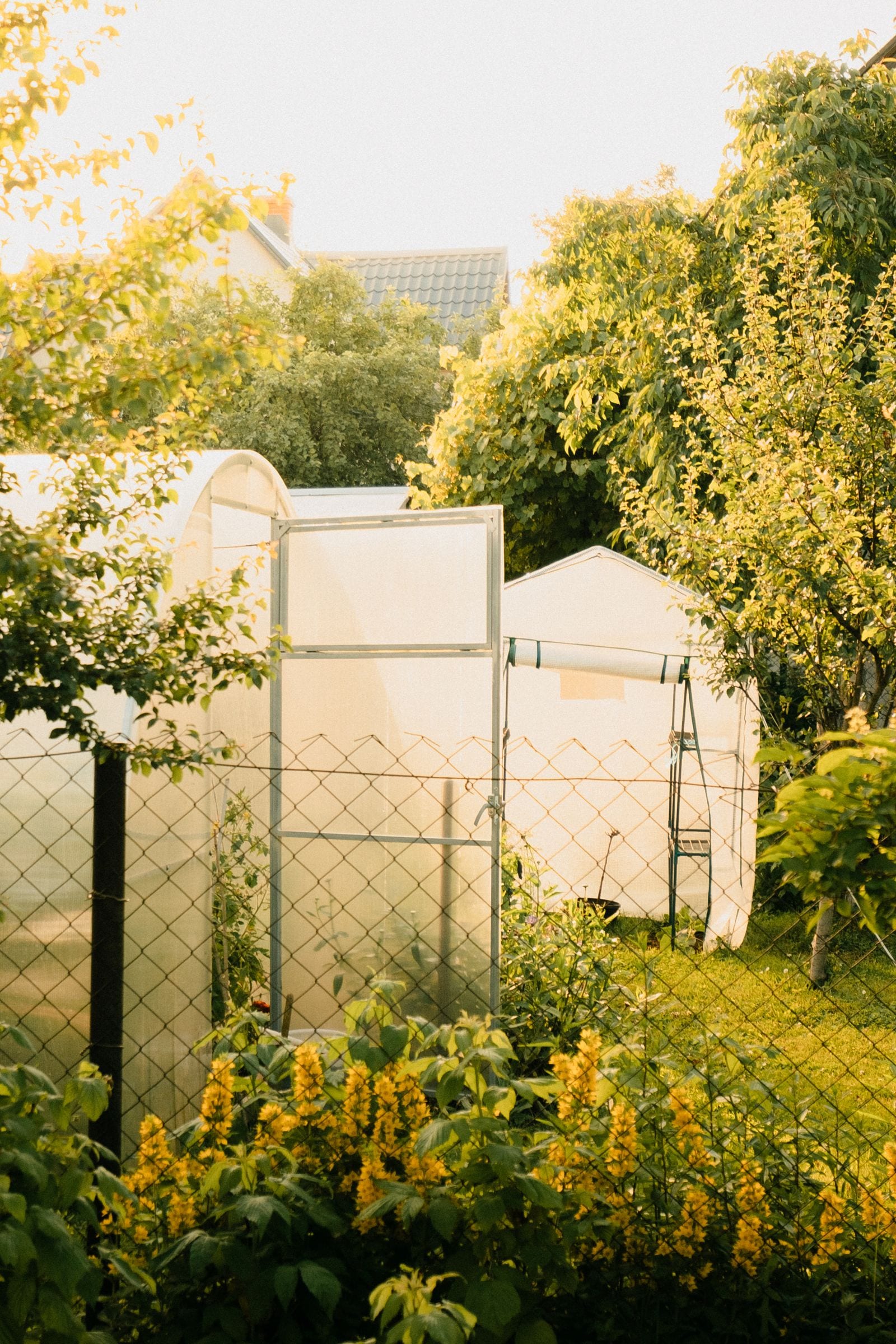
The Canopia Hybrid is the right choice for six-foot season-extension growing at entry-level polycarbonate specs in Zone 7 or warmer. The Glory makes sense if you need 10mm twin-wall insulation throughout, an eight-foot working aisle, and extended shoulder seasons in Zone 6. The Glory starts at $4,349 at Greenhouse Megastore (June 2026). Check retail for current Hybrid pricing.
Both are Better Homes and Gardens picks: the Hybrid won Best Overall Greenhouse Kit of 2024; the Glory won Best Splurge. Two recognitions, two different buyers, same brand.
The glazing decision: 4mm vs 10mm
The primary difference between the Hybrid and the Glory is polycarbonate panel thickness. Everything downstream follows from that.
| Spec | Canopia Hybrid | Canopia Glory |
|---|---|---|
| Roof glazing | 4mm twin-wall polycarbonate | 10mm twin-wall polycarbonate |
| Wall glazing | Single-wall clear polycarbonate | 10mm twin-wall polycarbonate |
| R-value (approximate) | R-1.1 (roof panels) | R-1.9 to R-2.1 (throughout) |
| Interior width | 6 feet | 8 feet 4 inches (6’ on smallest model) |
| Frame colors | Black, Grey, Green, Silver | Dark grey matte only |
| Published snow load | 15 lb/ft2 | Not published |
| Published wind resistance | 56 mph | Not published |
| Panel warranty | 5 years | 5 years |
| BHG 2024 recognition | Best Overall | Best Splurge |
The R-value gap is meaningful. The Hybrid’s 4mm twin-wall roof provides approximately R-1.1 of thermal resistance. The Glory’s 10mm twin-wall panels throughout provide R-1.9 to R-2.1, an improvement of roughly 80 to 90 percent. On a cold Zone 6 night in late October, that gap translates to a materially smaller heater running less hard to hold the same minimum temperature. The greenhouse plastic guide has complete R-value data by panel thickness for every standard polycarbonate specification.
The Hybrid’s design logic is sound: put the insulating twin-wall on the roof (where heat rises and escapes), and accept higher light transmission from clear single-wall on the walls. For mild-climate Zone 7 season extension, this works well. For Zone 6 buyers trying to push the season into November and February, the clear single-wall walls become a limitation that extra roof insulation cannot fully compensate for. The Glory’s 10mm panels on all four sides address that limitation.
The polycarbonate thickness tradeoff: thicker twin-wall panels diffuse slightly more light than thinner ones. At 10mm versus 4mm, the light transmission difference is noticeable but not a problem for vegetables, herbs, and seedlings. For crops that specifically need concentrated direct sunlight, neither kit matches glass, but the Hybrid’s clear single-wall walls do transmit more direct light than the Glory’s 10mm panels.
Width: six feet vs eight feet four inches
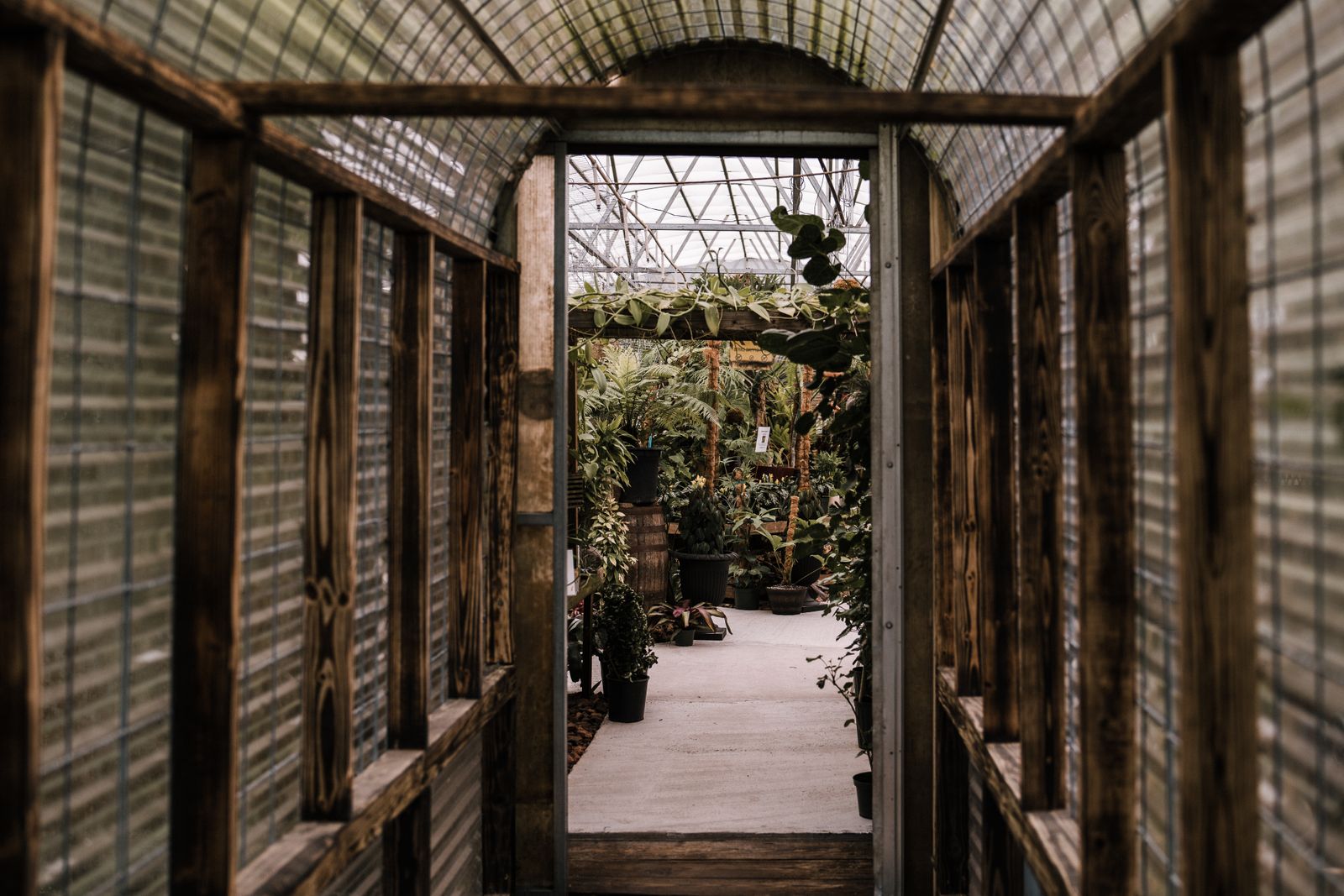
The Hybrid is six feet wide across all five sizes. The Glory’s four main configurations are 8’4” wide; the smallest (6’×8’) is also six feet wide. The width distinction matters more than any insulation number for buyers who want to actually work inside the greenhouse day to day.
Two 24-inch growing benches in a six-wide greenhouse leave an 18-to-12-inch center aisle, depending on frame intrusion. You can turn around carefully. You cannot stage a flat of transplants, pull a soil bag through, or stand without one shoulder over a bench. Most six-wide greenhouse owners end up with one bench and an impractical center path, or two very narrow benches and no usable aisle.
Two 24-inch growing benches in an 8’4”-wide greenhouse leave a 44-to-48-inch center aisle. You can work on both benches without contorting, run a garden hose straight through, and set a bag of soil down without blocking crop access. That is the functional upgrade the Glory delivers before you even count the glazing improvement.
For buyers who have used a six-wide kit for more than two seasons and found the center aisle limiting, the 8’4” interior is usually the most immediately felt benefit the Glory provides. The glazing upgrade compounds on top of that; the footprint change is felt on every visit.
Structural ratings: published vs not
The Hybrid carries published manufacturer figures: 15 lb/ft2 snow load, 56 mph wind resistance (canopia.com, verified June 2026). The Glory does not carry published structural ratings on the manufacturer website.
The 15 lb/ft2 snow rating on the Hybrid is the lower end of published residential polycarbonate kit ratings. A heavy wet spring storm in Zone 5 or colder can deposit 15 to 20 lb/ft2 in one event. That means the Hybrid’s rating is adequate for Zone 7 or warmer climates where county ground snow loads typically stay below 10 lb/ft2, with no useful margin left over for snow country. For cold-climate growing, the Grandio Elite at 25 lb/ft2 and 76 mph, or the Exaco Riga at 20-plus lb/ft2, are the appropriate structural tier.
The Glory’s unpublished ratings do not mean the structure is fragile. They mean the performance cannot be verified from the spec sheet. If you are in a climate with real snowfall and need to compare your purchase against your county’s ground snow load, the Glory does not give you a number to work from. The snow and wind load guide explains how to read the ASCE 7 county ground snow map and what the translation to roof snow load means for kit selection.
Colors, warranty, and accessories
The Hybrid comes in four powder-coated aluminum frame colors: Black, Grey, Green, and Silver. All four carry the same structural specifications and five-year warranty on frame and panels. Four options is a meaningful selection for buyers who want the kit to blend into a specific garden aesthetic or match existing structures.
The Glory comes in one color: dark grey matte. Single-color manufacture is a design decision, not a budget limitation. Dark grey is versatile in a garden context and absorbs marginally more solar heat than silver or light grey frames, which provides a small early-season heat-retention benefit.
Both carry a five-year warranty on panels (verified canopia.com, June 2026).
The Glory’s accessory lineup includes automatic roof vent opener, shade cloth, trellising kit, heavy-duty shelf kit, drip irrigation kit, and anchoring kit. The Hybrid’s accessory lineup includes fan heater, LED grow lighting kit, shade cloth, automatic roof vent opener, ground anchor kit, base extension kit, and staging and shelving units. Both lines are well-supported for standard season-extension use.
The automatic roof vent opener is the first accessory worth adding to either kit. Both the Hybrid and the Glory will overheat on sunny days in spring and fall, even when outdoor air is cold. A beeswax-actuated vent opener solves this with no electrical connection and no manual checking. Automatic ventilation keeps plants from cooking on a warm April afternoon, and closes overnight to retain heat. The Bayliss MK7 automatic vent opener is the wax-cylinder standard if you want a spare or a higher-lift unit for the Glory’s heavier roof sections.
Pricing
The Canopia Glory starts at $4,349 for the 8-foot wide configurations at Greenhouse Megastore (June 2026). The 8’4”×16’ configuration lists at $5,799 at the same retailer. A 10% summer discount was running in June 2026; base pricing above excludes the discount. Canopia does not publish MSRP on the manufacturer website.
Canopia does not publish MSRP for the Hybrid on the manufacturer website either. Retail pricing for the Hybrid was not independently confirmed at the time of writing (June 2026) due to unavailable retailer pages. The Hybrid sells through Home Depot, Amazon, and major garden retailers. Check current pricing at your preferred retailer for the size you want.
The price gap between the two kits is real and substantial. The Glory’s premium reflects the 10mm twin-wall panels throughout, the 8’4” footprint, and size options that go beyond anything the Hybrid’s six-wide lineup offers. For the complete heating cost analysis by glazing type, kit size, and zone, the cheap greenhouse heating guide runs the numbers.
Zone-by-zone verdict
Zone 7 and warmer, six-foot footprint sufficient: The Hybrid. The 15 lb/ft2 snow rating covers this climate. The clear single-wall walls transmit good winter light. Four color options give flexibility in the garden context. The BHG Best Overall 2024 recognition reflects how well this kit performs within its intended use case. Check retail pricing and confirm the size you want is in stock before committing.
Zone 6, or six-foot space already limiting you: The Glory. The 10mm twin-wall panels hold Zone 6 shoulder-season temperatures better than the Hybrid’s 4mm roof and clear walls. The 8’4” footprint turns the greenhouse from a space you work around into a space you work in. The price premium buys something real here.
Zone 5 or colder, or published snow ratings required: Neither Canopia kit. The Hybrid’s 15 lb/ft2 leaves no margin for a wet spring storm in Zone 5; the Glory publishes nothing to compare against your county’s load. The Grandio Elite review covers a 25 lb/ft2, 76 mph option; the Exaco Riga review covers the 20-plus lb/ft2 arch greenhouse designed for serious winter conditions.
The complete independent reviews with detailed model lineups and owner-synthesis findings are at the Palram Canopia Hybrid review and the Palram Canopia Glory review. For foundation and base prep by footprint and soil type, the greenhouse foundation guide covers both kit sizes.
The bottom line
The Hybrid and the Glory are not a budget option versus a premium option solving the same problem. They are two different answers to two different questions. The Hybrid: do you want a solid entry-level polycarbonate kit for six-foot-wide season extension in a mild climate, with published structural ratings and four color choices? The Glory: do you want 10mm twin-wall insulation throughout, an eight-foot working width, and extended shoulder-season growing in Zone 6, and are you prepared to pay for it?
Neither answer is wrong. The comparison is about what you actually need, in the climate you actually have, on the budget you actually have.
Accessories worth buying on day one
Whichever Canopia you land on, the same short list of controls covers the season-extension job both kits are built for.
- AcuRite indoor/outdoor digital thermometer: a remote probe shows the overnight low inside, the number that decides whether a frost night needs a heater on either kit.
- Bio Green Palma greenhouse heater: a sized electric heater holds a target minimum on the cold shoulder-season nights, the Hybrid more often than the better-insulated Glory.
- Inkbird ITC-308 temperature controller: it runs the heater only below your set point, so the running cost tracks the actual cold rather than the clock.
- Stainless steel greenhouse panel clips: spare clips reseat any panel that works loose over seasons, which matters most for the Hybrid’s clear single-wall walls.
As an Amazon Associate, Defy Frost earns from qualifying purchases.