Field test Reviews 10 min
Bootstrap Farmer High Tunnel Review: 16-Gauge Steel Kits
Bootstrap Farmer high tunnel kits reviewed: USA steel from $768, the Essential-vs-All-Metal fork, NRCS cost-sharing, and when a tunnel beats a kit greenhouse.
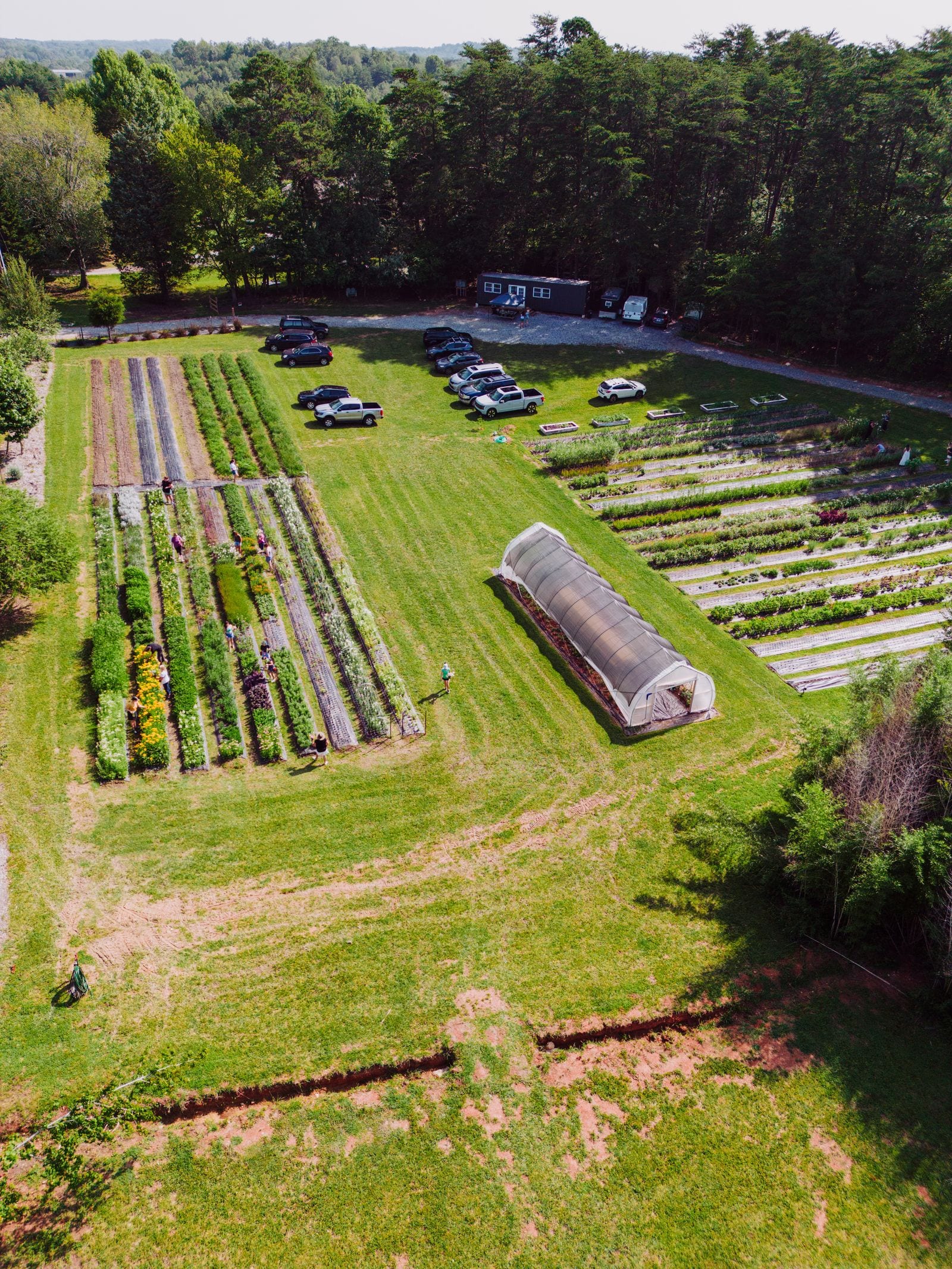
Bootstrap Farmer sells steel high tunnel kits from $768 for a 10x12-foot entry model to $6,953 for a 20x80-foot commercial run. All ship with 16-gauge USA-made galvanized steel, 6-mil UV-rated poly film, and a complete hardware set. They’re the right tool for market-scale season extension. They’re not the tool for holding 45°F overnight through a zone-5 winter. That job needs polycarbonate panels and a heater.
Bootstrap Farmer is Texas-based. Their steel is fabricated domestically and comes in at 0.065 inches per wall, heavier than the 0.058-inch standard store-bought top rail. The pipes are LEED-certified. Products ship free to the contiguous US on orders over $75, and their high tunnel kits qualify for USDA NRCS cost-share assistance through the EQIP program.
The full lineup, verified June 2026
All prices from bootstrapfarmer.com, verified June 2026. Sale pricing shown where applicable.
| Kit | Width | Lengths | Peak height | Price from |
|---|---|---|---|---|
| 10’ Essential Round | 10’ | 12’ – 32’ | ~8’6” | $768 |
| Essential Round | 14’ | 20’ – 100’ | ~9’4” | $1,904 |
| Essential Round | 20’ | 20’ – 100’ | ~11’4” | $2,240 |
| Round All-Metal | 14’ or 20’ | 20’ – 150’ | ~9’4” or ~11’4” | $3,081 |
| Premium Round All-Metal | 14’ or 20’ | varies | same as above | $3,570 |
| Essential Gothic | 11’4”, 14’, or 20’ | 20’+ | varies by width | $3,332 |
| Gothic All-Metal | 11’4”, 14’, or 20’ | 20’+ | varies by width | $3,258 |
| Premium Gothic All-Metal | 14’ or 20’ | varies | varies | $3,808 |
| 30’ Round All-Metal | 30’ | varies | tallest profile | $6,953 |
| All-Metal Caterpillar Tunnel | compact | varies | low-profile | $2,361 |
| All-Metal Shade House | varies | varies | varies | $1,200 |
| Hobby Greenhouse 10x12 | 10’ | fixed 12’ | 7’11” | $649.99 |
The 10’ Essential was sold out at verification time. The rest of the lineup was in stock at standard lead times.
Essential vs All-Metal: what the names actually mean
The single most important fork in the Bootstrap Farmer lineup is not width or length. It’s end wall and baseboard construction.
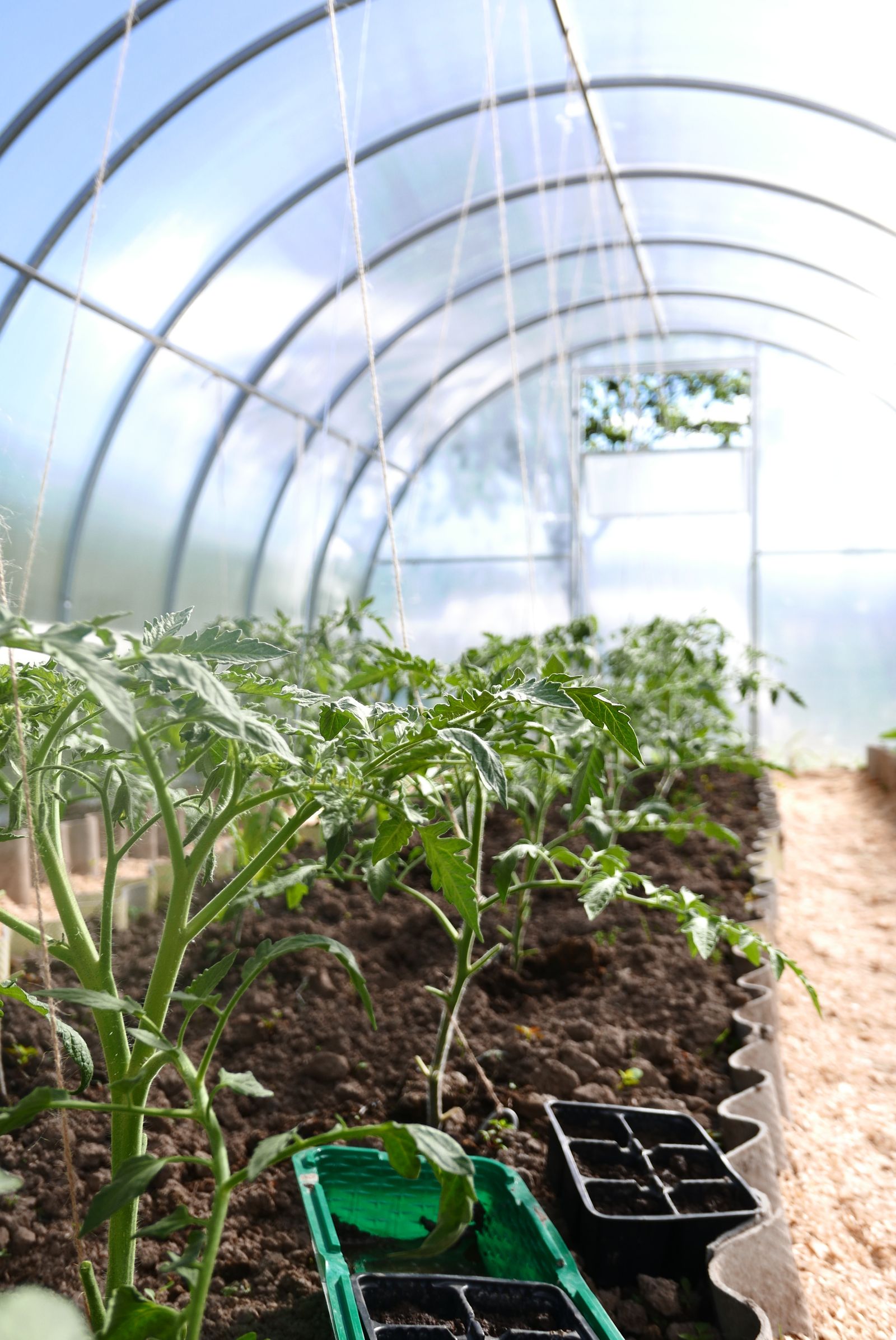
Essential kits ship with the steel hoops, ridge pole, aluminum lock channel, PVC-coated spring wire, steel ground posts, all hardware and fasteners, and 6-mil UV poly. What they don’t include: hip boards and baseboards. Those are 2x6 lumber that you buy at your local hardware store. Bootstrap Farmer includes a printable chart specifying board quantities for each tunnel length. The Essential kit also presents a door choice at order time: a pre-assembled metal door frame, or no door (you build the end wall opening from lumber on site).
This lumber-buy-local approach is a deliberate logistics call. Lumber is bulky, heavy, and sold everywhere. Shipping it cross-country adds cost and freight complexity for no reason. Buying locally reduces the kit’s box count and typically saves money.
All-Metal kits eliminate lumber from the equation entirely. End walls, hip braces, base braces, and door frame ship as galvanized steel components. Nothing rots, nothing warps, nothing needs pressure-treating. The Round All-Metal also carries a 105 mph wind rating documented on the product page. The Essential kit product page does not state a wind rating.
The price gap for the same footprint is real: a 14x20 Round All-Metal starts at $3,081, versus $1,904 for the Essential at the same dimensions. That gap buys full-metal construction, the documented wind rating, and the elimination of lumber sourcing and cutting before assembly day.
For a one-time backyard installation, the Essential’s lumber requirement is a minor inconvenience. For a farm operation running multiple tunnels, the All-Metal’s predictable one-kit-complete-structure approach reduces coordination overhead considerably.
High tunnel vs greenhouse kit: the category fork
This comparison dominates the forums when someone is choosing between Bootstrap Farmer and a kit greenhouse. The honest answer is that these aren’t competing alternatives on the same spectrum. They’re different tools for different growing objectives.
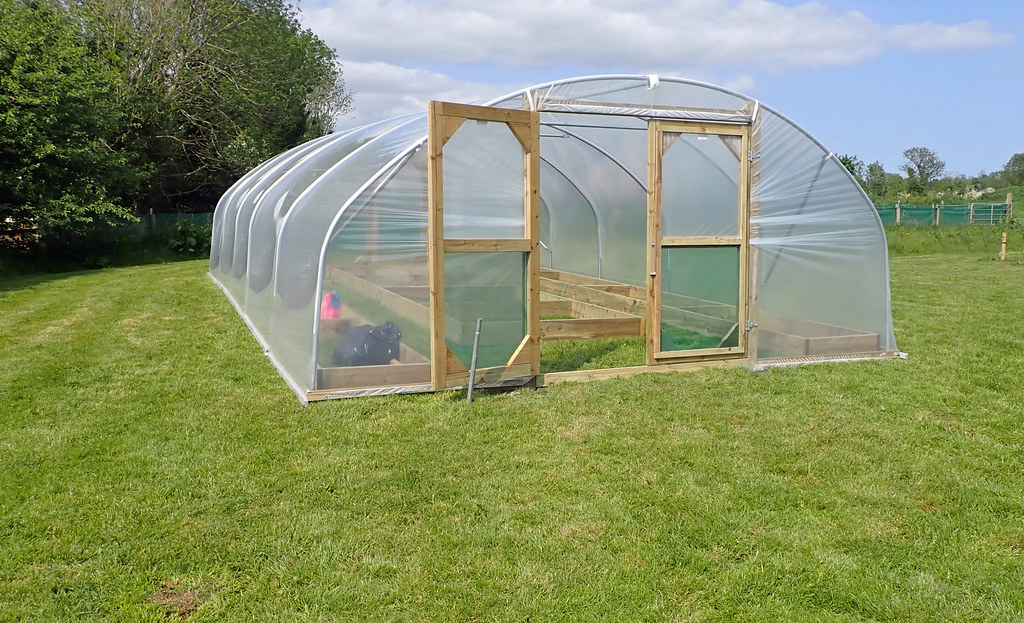
A high tunnel is a season extension structure. A single layer of 6-mil poly film over galvanized steel hoops creates covered growing space that raises overnight low temperatures by roughly 10-15°F compared to outside ambient. It protects crops from rain, frost, and wind. Roll-up sides ventilate in summer. The poly film comes off and goes on seasonally. High tunnels are designed to scale horizontally: a market gardener runs a 14x100 or 20x80 because they’re growing row crops across hundreds of square feet, not a few benches of potted plants.
A hobby greenhouse kit is a four-season enclosure. Multi-wall polycarbonate (6mm, 8mm, 10mm) or tempered glass creates a real thermal barrier. With a supplemental heater, these structures hold 45-55°F through a zone-5 winter night. They’re designed as permanent, foundation-anchored structures. Growing space per kit runs 100-250 sq ft at hobby price points, because the glazing costs considerably more per square foot. These kits are for the backyard grower wintering tender plants through December, starting seedlings in February, or growing year-round in a serious frost climate. The cheap greenhouse heating guide walks through heater sizing in detail.
Bootstrap Farmer’s own Hobby Greenhouse 10x12 ($649.99, 120 sq ft, 7’11” inside height) uses the same 16-gauge galvanized steel and 6-mil poly as their high tunnels. It’s a better-built version of the cheap garden-center polytunnel, with an honest one-to-two-day assembly time with two people. But it’s still a poly-film structure. For genuine winter heat retention in zone 5 or colder, a polycarbonate kit handles that job more reliably.
The deciding question: what’s the growing objective?
For a market gardener running CSA boxes across a half-acre plot, a Bootstrap Farmer 14x100 or 20x80 gives thousands of square feet of season extension at the lowest cost per covered square foot available. For a backyard grower who wants to winter citrus or grow tomatoes year-round in zone 6, a polycarbonate kit from Palram Canopia or Exaco serves that objective. For the full breakdown, the high tunnel vs greenhouse kit guide covers both formats.
The NRCS program most buyers overlook
USDA NRCS provides cost-share assistance for high tunnels through the Environmental Quality Incentives Program, Practice Code 325, High Tunnel System. Bootstrap Farmer explicitly notes NRCS eligibility on their Essential Round product page.
That’s not just a marketing line. NRCS has structural requirements that a kit must meet before it qualifies for cost-share approval. The fact that Bootstrap Farmer’s products pass those standards is a meaningful data point about build quality.
To pursue cost-share: contact your local USDA Service Center or NRCS state office. EQIP applications are competitive, funding cycles open at the county level, and award priority varies by year and state. Do not assume the kit cost is covered until you have an approval letter in hand. But for an eligible farm operation, this assistance can significantly offset the structure and installation cost.
What you bring to the site
Every Bootstrap Farmer high tunnel arrives ready for a prepared site.
Groundwork: High tunnels go directly on bare ground without a permanent foundation. Ground posts drive into the soil. The site should be level, with consistent soil that accepts posts without major rock obstruction. For All-Metal kits, the steel baseplates anchor at each post position. For Essential kits, the lumber hip boards tie the system together laterally. Neither requires a concrete footing under normal conditions. On exposed or sandy sites, a set of Ashman auger ground anchors screwed in at the hoop bases adds cheap insurance against a frame that wants to lift in a gust. The greenhouse foundation guide covers siting decisions in detail.
Lumber for Essential kits: Hip boards and baseboards are 2x6 lumber, purchased locally. The kit includes a printable chart specifying quantities per tunnel length. For a 14x40, budget roughly $60-120 at current lumber prices depending on your market.
Door decision at order time: Metal door frame versus DIY lumber entry. Make this choice before clicking buy, not on assembly day.
Roll-up sides: Most market growers add roll-up sides for summer ventilation. This is an add-on accessory, not included in any base kit. Factor it into the total budget before ordering.
Assembly
Bootstrap Farmer product pages include an instruction manual PDF and an unboxing video. The Hobby Greenhouse explicitly lists one-to-two days with two people on a prepared site. The larger tunnel kits don’t state a time estimate, but the assembly rhythm is consistent: set posts, install bows, run the ridge, apply lock channel and spring wire, pull poly, finish end walls and door.
For Essential kits, the lumber baseboard step adds work that the All-Metal kits skip. For All-Metal kits, the steel end wall hardware adds its own sequence. Neither is technically difficult. Both reward reading the instructions completely before any fastener goes in. The frame geometry locks in before the poly goes on; correcting a twisted bay after the plastic is installed means disassembly.
Named alternatives
Palram Canopia Glory (10mm twin-wall polycarbonate, 8x12 and up): The polycarbonate kit comparison that comes up most. The Glory uses 10mm twin-wall polycarbonate in a gabled aluminum frame with auto vent openers included standard. It’s designed as a permanent, foundation-anchored structure. Growing space runs 99-165 sq ft depending on model. For season extension at that scale, a Bootstrap Farmer 14x20 Essential at $1,904 gives you 280 sq ft at roughly the same entry price. Different tools: the Glory holds heat through a zone-5 winter with a proper heater; the high tunnel extends the season but doesn’t do that job. The Palram Canopia Glory review covers the polycarbonate kit in full.
Exaco Riga 3 ($5,499, 142 sq ft, 8mm twin-wall): Premium polycarbonate, German-engineered, designed for four-season growing including hard winters. At that price for 142 sq ft, you’re paying for glazing that will outlast Bootstrap Farmer’s poly film by a decade and winter heating capacity the poly tunnel can’t match. For a serious four-season grower on a small plot, the Riga is the right tool. For a market gardener who needs 2,000 sq ft of season extension, it doesn’t scale economically. Full comparison in the Exaco Riga review.
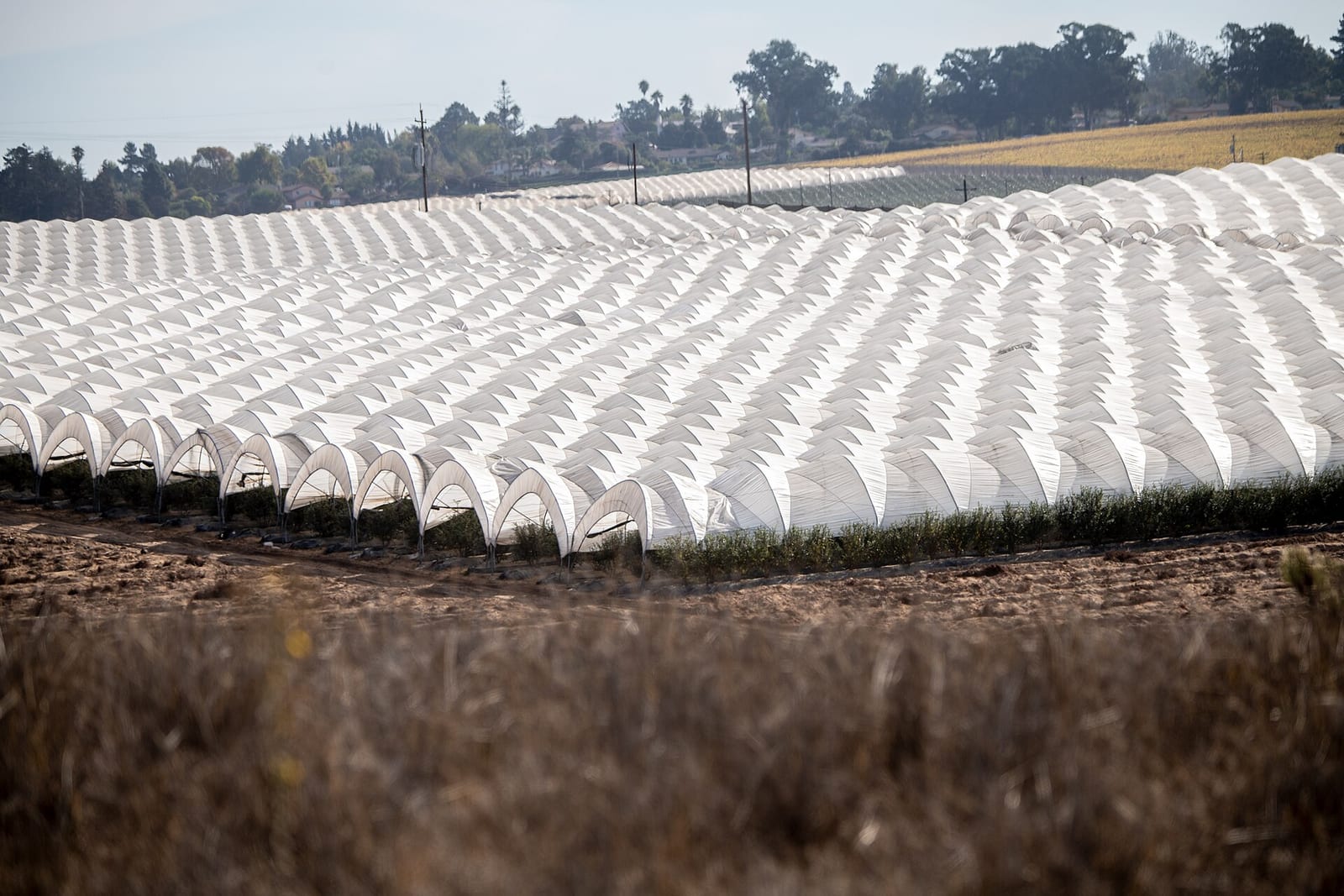
Bootstrap Farmer Caterpillar Tunnel ($2,361): The compact alternative within their own lineup. The caterpillar tunnel is a low-profile, row-level structure for crop protection and early planting, not a walk-in working environment. If the growing need is frost protection over individual beds rather than a covered workspace, this is the more economical answer. Inside any tunnel, a layer of Agribon AG-19 floating row cover thrown over the beds on the coldest nights buys a few more degrees on top of what the poly already holds.
Who should buy
Buy a Bootstrap Farmer high tunnel if: You’re running market-scale growing and need large covered area at the lowest cost per square foot. You want to extend your season by 6-12 weeks at each end of the calendar. You can access NRCS cost-share through EQIP, which can cut the net cost significantly. You understand the structure is a season extension tool, not a heated four-season greenhouse.
Skip it and go to a polycarbonate kit if: You need a small, year-round growing space for tender plants through a zone-4 or zone-5 winter. Your plot is measured in backyard square footage, not field rows. What matters is thermal performance, not square footage per dollar.
The 10’ Essential at $768 is the entry point for backyard growers who want season extension without committing to a larger structure. At that price, with 16-gauge steel and 6-mil poly with a 4-year UV rating, it’s a materially better-built structure than the flimsy pop-up hoop tunnels sold at garden centers for similar money. But it is still a poly-film structure. Know what you’re buying.
Accessories worth buying on day one
A poly tunnel ships as bare structure, so a few cheap add-ons are what turn it into a real season-extension tool.
- AcuRite indoor/outdoor digital thermometer: a remote probe tells you the actual overnight low under the poly, which is the number that decides whether tonight’s crop survives.
- VIVOSUN AeroWave clip-on fan: a single layer of film traps stagnant, humid air, and a clip-on fan keeps it moving so foliage dries and mildew stays out.
- Inkbird ITC-308 temperature controller: if you ever add a small heater or an exhaust fan, this plug-in thermostat runs it on a setpoint instead of by guesswork.
As an Amazon Associate, Defy Frost earns from qualifying purchases.