Field notes Buying Guides 10 min
Best Greenhouse Kits: Ranked by Total Cost of Ownership
Greenhouse kits compared by total cost of ownership. Frame quality, glazing thickness, and the base costs most listings bury determine the real price.
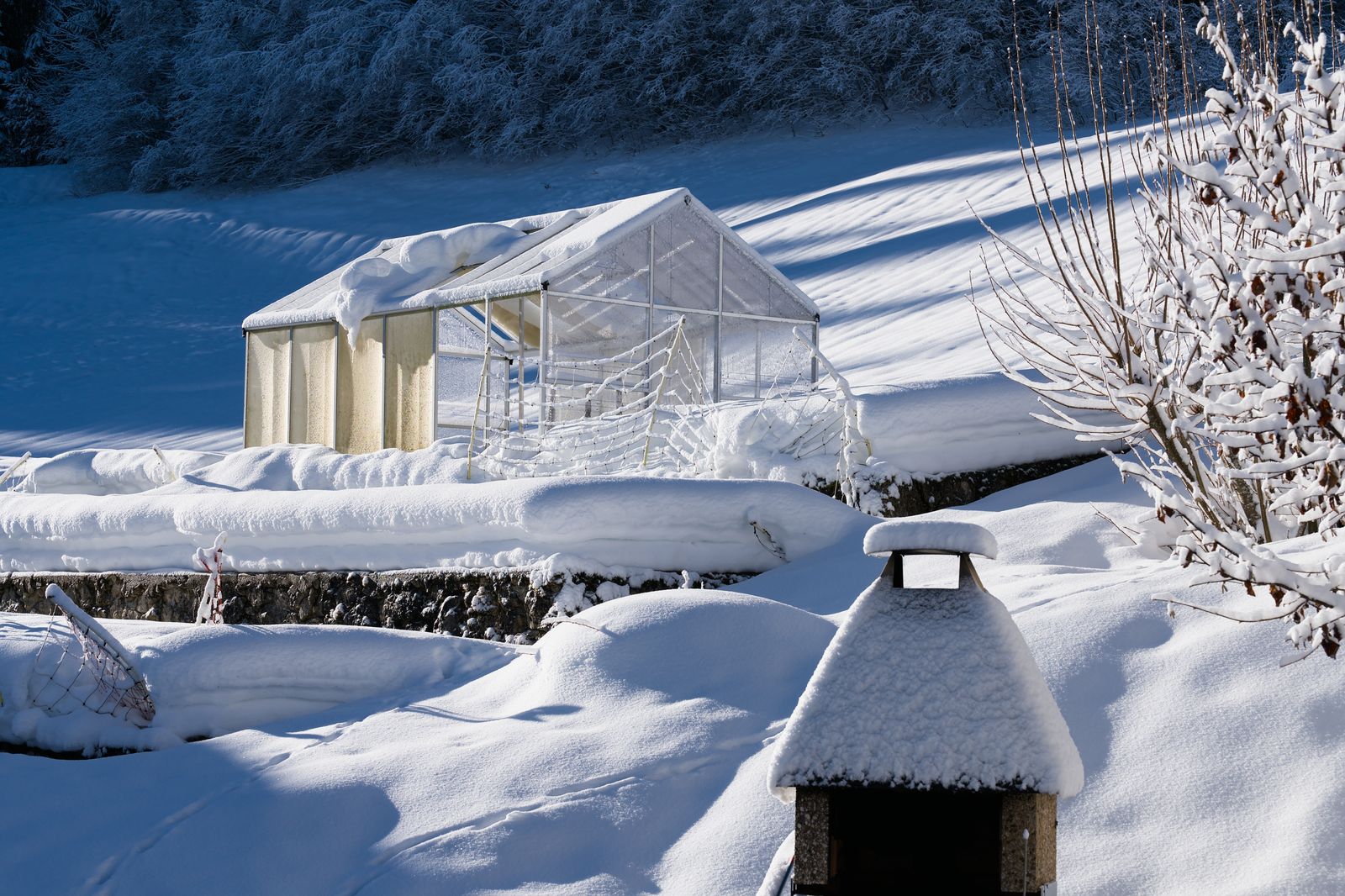
The best greenhouse kit for most backyard growers is a twin-wall polycarbonate kit in the 6x8 to 8x12 range, from a brand that supplies replacement panels and has US customer support. Total cost of ownership matters more than list price: base, anchoring, and heating hardware routinely add 20 to 40 percent to the sticker.
Most comparison articles stop at the list price. This one starts there and works through what the structure actually costs to get in the ground, functional, and growing across three seasons.
How to read this comparison
The four kits below cover the range from entry-level weekend project to serious cold-climate structure. For each, the key facts are: what the glazing actually is (not the marketing claim), what is and is not included, and what you will spend beyond the kit to get a functional growing space.
Quick comparison:
| Kit | Footprint | Glazing | Frame | Best for |
|---|---|---|---|---|
| Palram Canopia Harmony 6x8 | 6 x 8 ft | 4mm twin-wall roof, clear sides | Aluminum | First kit, mild climate |
| Palram Canopia Snap and Grow 6x8 | 6 x 8 ft | Twin-wall throughout | Aluminum | Starter with cold-season plans |
| Rion Grand Gardener 2 Tier 8x8 | 8 x 8 ft | Twin-wall throughout | Resin | Budget mid-range, uneven sites |
| Exaco Riga IV | 11.5 x 15.7 ft | 4mm twin-wall throughout | Aluminum | Cold climates, year-round growing |
Pricing for all kits: verify at point of purchase. List prices change frequently and US retailer pricing was inaccessible for confirmation during this review period. The relative positioning (entry, mid-range, premium) is accurate; specific dollar amounts are not cited to avoid misleading dated figures.

Palram Canopia Harmony 6x8: the standard entry point
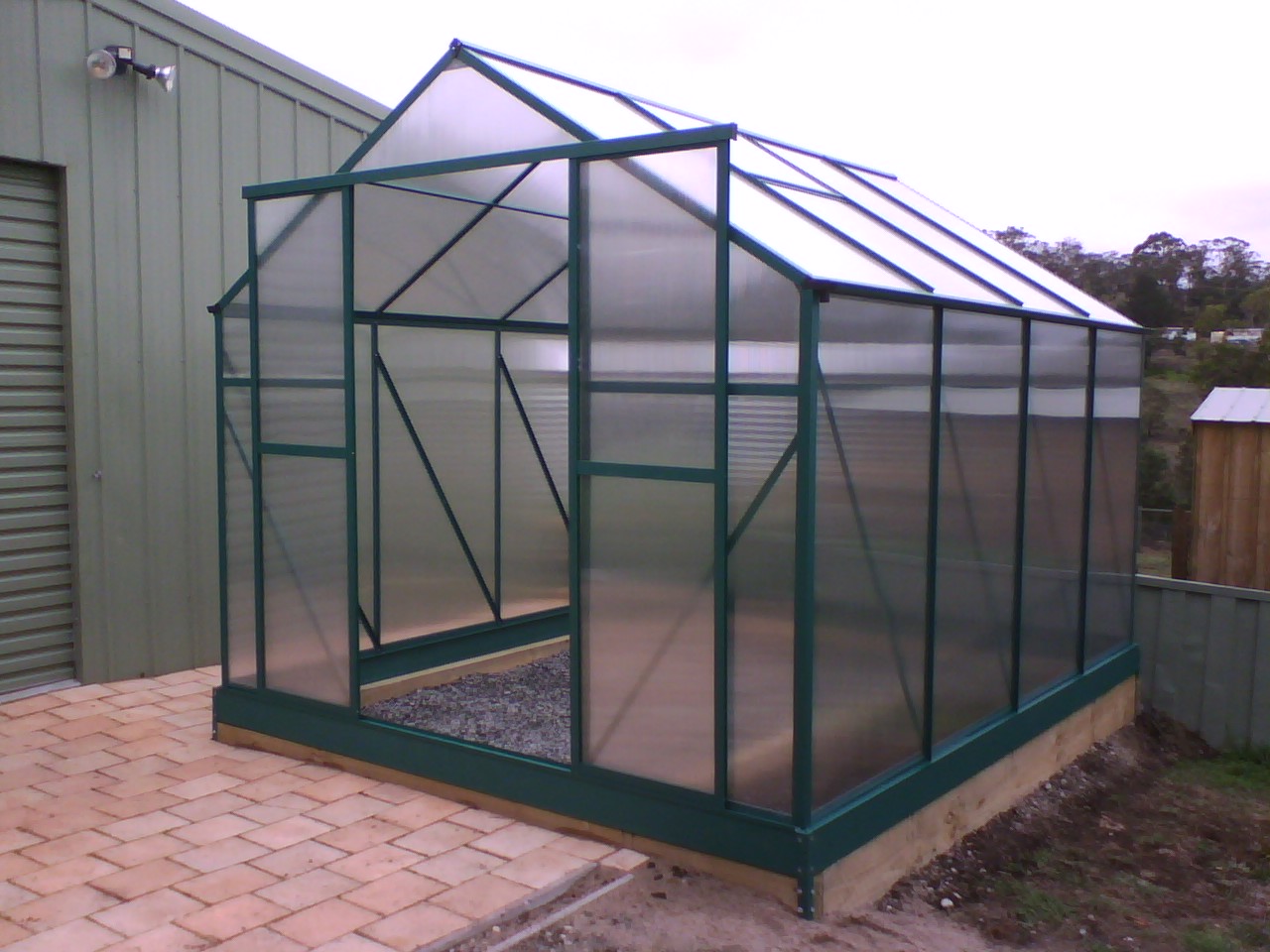
The Harmony is the most widely stocked residential polycarbonate greenhouse in the US and the first kit most buyers consider. It ships with everything needed for assembly, goes up in a weekend without special tools, and fits in a standard suburban garden.
What the glazing actually is: The Harmony uses twin-wall polycarbonate on the roof panels and single-wall clear polycarbonate on the side walls. The distinction matters for winter performance. The twin-wall roof slows heat loss from above; the single-wall sides transmit heat in both directions with almost no resistance. On a cold night, the sides are the thermal weak point.
What is included: Frame, glazing panels, one roof vent, one outward-swinging door, built-in gutter system, and assembly hardware. Base or foundation not included.
What is not included: Any foundation, anchor kit, staging, or shelving. One roof vent is the minimum for summer ventilation management and is insufficient for most climates above zone 7 during peak summer without supplemental fans.
Who it is for: A grower who wants to start fast in a mild climate (USDA zones 7-9), plans to use the structure primarily in spring and fall, and does not expect to do significant cold-weather growing through winter. The Harmony is a good first kit; many growers move to a larger or better-insulated structure after a season or two.
Palram Canopia Snap and Grow 6x8: twin-wall throughout
The Snap and Grow is Palram’s step up from the Harmony. The key structural difference: twin-wall polycarbonate on the side walls, not just the roof. The modular design also allows length extension by adding 4-foot sections, making it expandable without buying an entirely new structure.
What the glazing actually is: Twin-wall polycarbonate on all panels including the walls. This makes a meaningful difference in winter temperature retention compared to the Harmony’s single-wall sides.
What is included: Full kit with twin-wall panels, one sliding or swinging door depending on configuration, one roof vent standard, built-in base anchoring channels.
Trade-offs vs. the Harmony: The Snap and Grow costs more at equivalent footprint and has slightly lower light transmission than the Harmony’s clear single-wall sides. For most cold-weather growing, the insulation advantage outweighs the modest light reduction.
Who it is for: A grower who plans to extend the growing season into early winter and wants the option to expand the structure later without a full rebuild. In zones 6 through 8, the twin-wall sides make this the better choice over the Harmony for the typical gardener.
Rion Grand Gardener 2 Tier 8x8: the resin frame alternative
The Rion Grand Gardener’s primary differentiator is the frame material. Where Palram and Exaco use aluminum frames, Rion uses a polypropylene (resin) frame. That distinction has real-world consequences.
What the glazing actually is: Twin-wall polycarbonate throughout, roof and sides. The “2 Tier” designation refers to the twin-wall construction, not a two-story structure.
The resin frame trade-off: Aluminum frames are rigid, dimensionally stable, and weather-resistant indefinitely. Resin frames flex slightly under load, which can be an advantage on uneven ground (the frame accommodates small variations rather than twisting or requiring precise leveling) or a disadvantage in heavy snow loads (flex can allow panel gaps). For a grower with a slightly imperfect site and a moderate climate, the Rion’s forgiving assembly can be an asset.
Footprint advantage: The 8x8 base provides 64 square feet of growing space versus 48 for a 6x8. Most growers who have used both sizes report that 6x8 feels insufficient after one growing season.
Verification note: Rion’s manufacturer website (rion-world.com) was inaccessible during the research period for this article. Specs cited above are based on widely documented product descriptions across multiple retail listings. Verify current specifications and pricing at the manufacturer’s site or a US retailer before purchase.
Who it is for: A grower who wants more floor space than a 6x8 without the premium price of a European kit, especially useful on sites where precise leveling is difficult.
Exaco Riga IV: the cold-climate benchmark
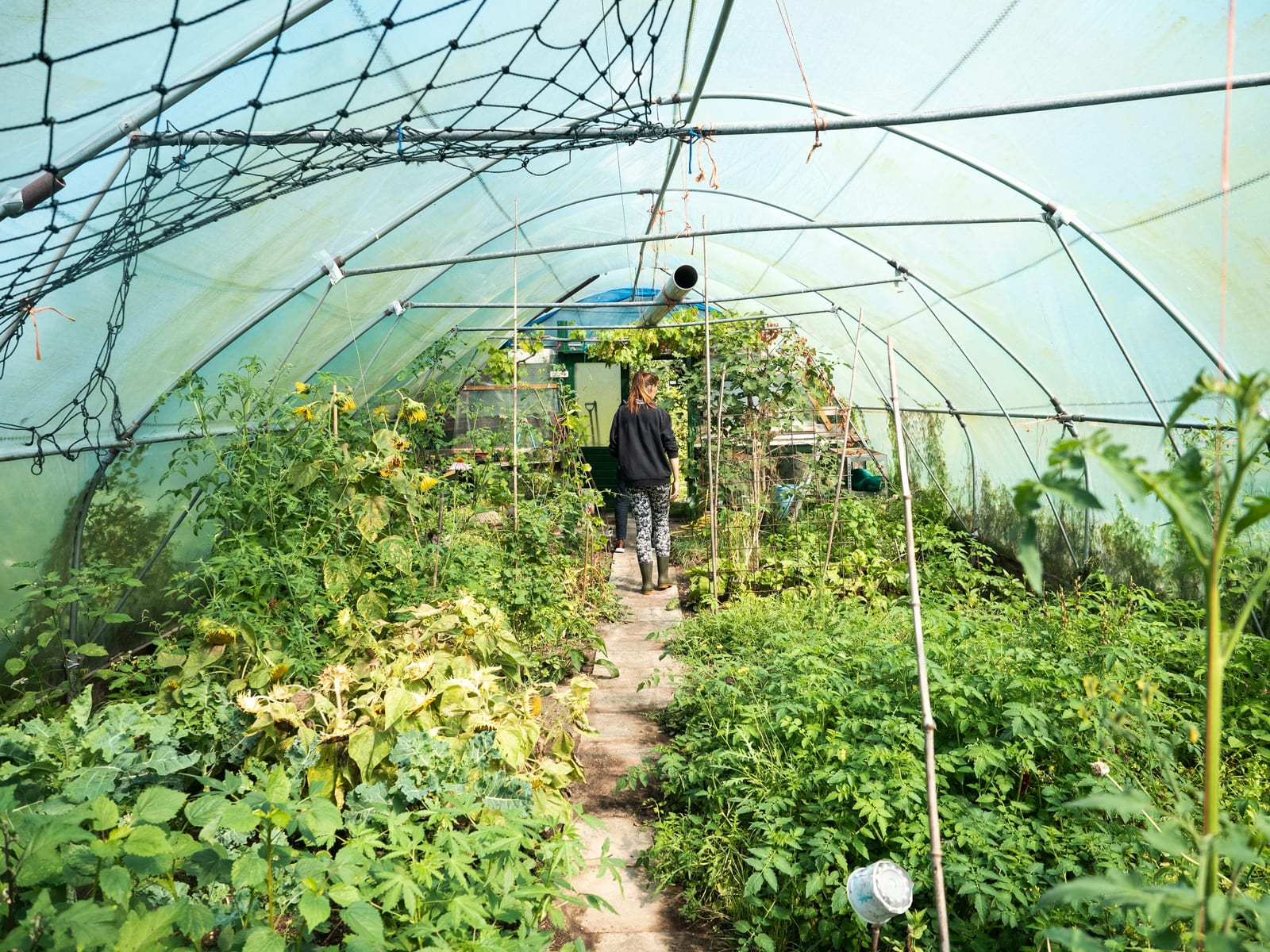
The Exaco Riga IV is the premium kit in this comparison and the one most worth discussing in detail, because the performance gap between it and the entry-level kits is real and measurable in cold climates. A full review is at /blog/exaco-riga-review/.
What the glazing actually is: 4mm twin-wall polycarbonate on all panels: roof, walls, and end panels. Not single-wall sides with a twin-wall roof. Not single-wall anywhere. This matters at 15°F on a January night in a way that a Palram Harmony’s single-wall sides cannot match.
Structural advantages: Steep roof pitch sheds snow rather than holding it, reducing structural load in heavy snow regions. Offset double-door configuration at each end creates natural cross-ventilation without powered fans. German-engineered frame design results in notably rigid construction that does not flex or shift seasonally.
What it costs: The Riga IV is a multi-thousand-dollar purchase before foundation, electrical, and heating. It is a structural investment, not a starter kit. The greenhouse foundation guide covers the base options appropriate for a permanent structure of this type.
Who it is for: A grower in USDA zones 3-6 who wants year-round growing performance, expects to use the structure for 15 to 20 years, and is willing to spend on a kit that does not need to be replaced or supplemented as the growing program expands. In cold climates, the Riga IV pays back its premium in reduced heating costs and extended growing seasons over a 5-year horizon.
The costs kit listings bury
Every kit listed here ships with a sticker price that understates what you will actually spend to grow in it. The hidden costs are consistent across brands:
1. Foundation or base. Not included in any kit above. Options from pressure-treated lumber perimeter base ($150 to $300 in materials) to poured concrete slab ($1,500 to $4,000 installed). The greenhouse foundation guide covers every option from ground anchor to concrete.
2. Anchoring. Some kits sell anchoring hardware separately. Ground screw anchors like the Ashman auger ground anchors or corner spike sets run $80 to $200 and are necessary in any jurisdiction with wind.
3. Electrical circuit. Running a dedicated 20-amp circuit from the house to the greenhouse costs $400 to $800 installed. The greenhouse electrical guide covers wiring options. Without a permanent circuit, an extension cord becomes a trip hazard, a fire risk in wet conditions, and a management problem.
4. Heating. A thermostat-controlled electric space heater adequate for a 6x8, such as the Bio Green Palma greenhouse heater, runs $150 to $350. The cheap greenhouse heating guide ranks the options by cost per BTU and suitability by climate zone.
5. Permit. Structures over the local size threshold or on permanent foundations typically require a building permit. The greenhouse permits guide covers the variables. For a Riga IV on a concrete slab, budget for a permit.
Realistic all-in cost estimates:
- Palram Harmony 6x8, full setup: kit + base + anchoring + electrical + heater = $1,500 to $2,500 total
- Rion Grand Gardener 8x8, full setup: $1,800 to $3,000 total
- Exaco Riga IV, full setup: $4,000 to $6,000+ depending on foundation choice
None of those ranges are alarming if you plan for them. They are alarming if the budget conversation started and ended with the kit listing price.
How to choose the right kit
By climate zone:
- USDA zones 3 to 6: twin-wall on all walls and roof is the minimum. The Exaco Riga IV or equivalent European kit. Single-wall sides will require supplemental heating that makes the cheaper kit more expensive to run.
- Zones 7 to 9: a twin-wall roof with single-wall sides (Harmony) handles three-season growing. The Snap and Grow with twin-wall sides extends into winter meaningfully.
- Zones 10 to 11: glazing type matters less than ventilation. Shade cloth and exhaust fan capacity determine summer usability.
By size:
- 6x8 (48 sq ft): start here if space or budget is constrained, knowing that most growers wish they had gone bigger.
- 8x8 to 8x12 (64 to 96 sq ft): the practical range for a serious kitchen garden that produces meaningfully year-round.
- 10x12 and larger: check permit requirements before ordering. The greenhouse permits guide covers the size thresholds that trigger a building permit in most jurisdictions.
By intended use:
- Seed starting and early transplants only: a 6x8 starter kit works. Most of the floor space is open through the season.
- Year-round food production: 8x10 minimum, twin-wall throughout, permanent electrical connection.
- Commercial or serious production: the Riga series or equivalent; see the full review for performance data.
Brands to research further
Several well-regarded brands did not make this comparison because their manufacturer or US retailer websites were inaccessible during the research period for this article:
Juliana (Danish): A longtime European greenhouse manufacturer with US distribution. Compact and Uno series are the most common US-stocked models. Known for quality construction and parts availability. Verify current US specs and pricing at julianagreenhouse.com before purchasing.
Vitavia (German): Popular in Europe, less widely distributed in the US. Known for glass panel options in addition to polycarbonate. Verify US availability and pricing before building a project around Vitavia.
Riverstone Industries (Monticello series): A US-based brand with a strong reputation for the Monticello 8x8 in particular. Verify current models and pricing at riverstoneindustries.com.
These brands are worth investigating if the four kits above do not match your size, climate, or budget requirements. Do not purchase based on specifications listed in secondary sources without verifying against the manufacturer’s current product page.
Accessories worth buying on day one
The kit gets you the structure; this short list covers the controls that make it hold a temperature and vent itself.
- Inkbird ITC-308 temperature controller: a plug-in thermostat switches a heater or fan on at your setpoint so the space does not swing while you are away.
- Bayliss MK7 automatic vent opener: a wax-cylinder opener cracks the roof vent on a sunny day with no power and no attention.
- AcuRite indoor/outdoor digital thermometer: a remote probe tells you the real overnight low inside before you commit plants to it.
As an Amazon Associate, Defy Frost earns from qualifying purchases.