Field notes Buying Guides 9 min
Best Budget Greenhouse Kits Under $1,000: What to Buy
What a greenhouse budget under $1,000 actually buys. The honest comparison between fabric pop-ups, polycarbonate starter kits, and hoop houses.
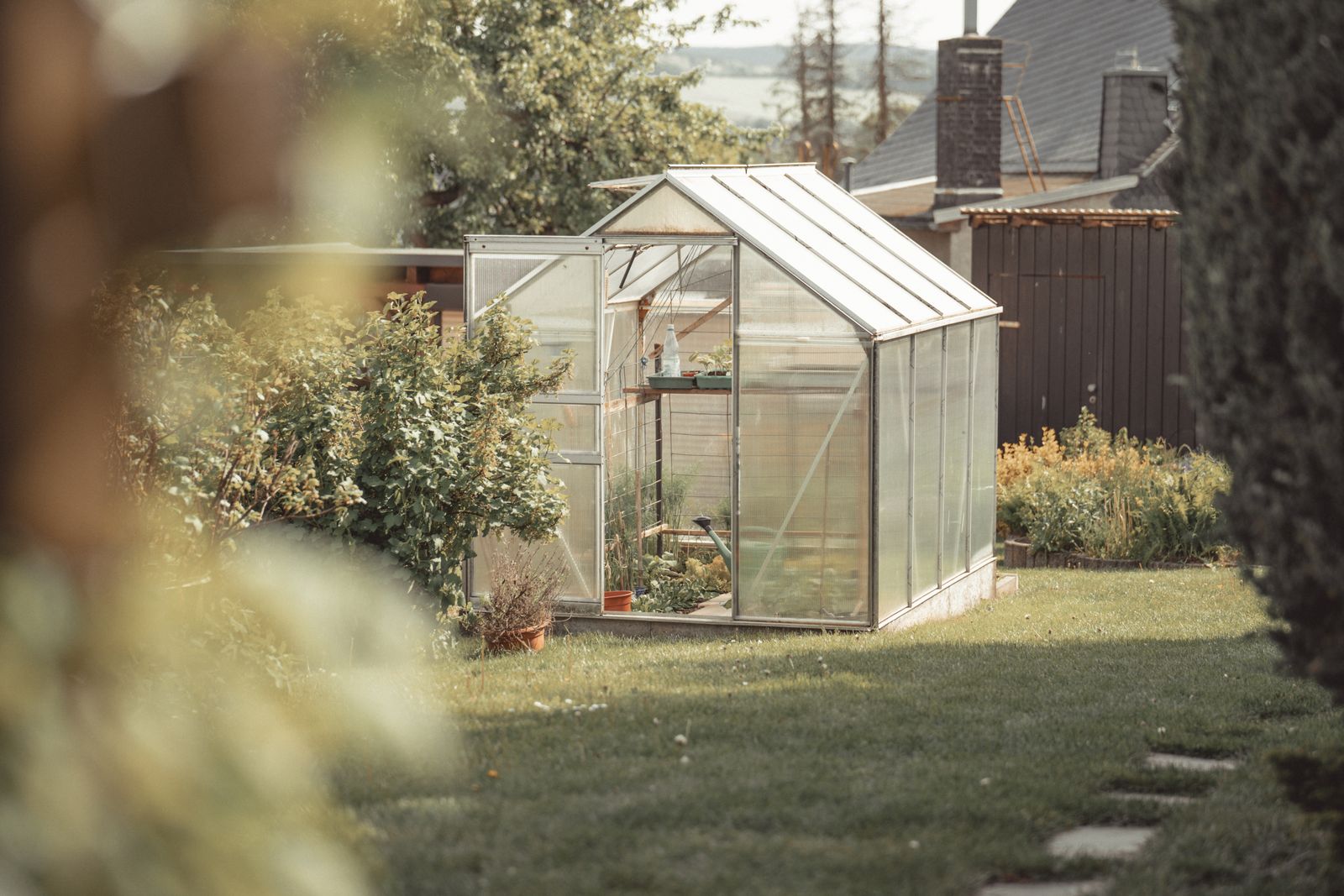
Under $1,000, the right choice is a small polycarbonate kit from a known brand: 6x4 to 6x8, aluminum frame, clear or twin-wall glazing. Pop-up fabric greenhouses at the same price last one to two seasons and are not comparable to a real structure. A $600 polycarbonate kit is worth saving for over a $200 fabric alternative that you will replace before the polycarbonate kit needs its first replacement panel.
The category is full of products that are not what buyers expect. This guide explains the honest distinctions.
What $1,000 actually buys in a greenhouse
Before evaluating specific products, it is worth being direct about what the budget delivers and what it does not.
What it delivers:
- A small polycarbonate kit (6x4 to 6x8 footprint) from a major manufacturer, with an aluminum frame that will outlast the glazing panels
- Enough growing space for seed starting, overwintering tender plants, and some year-round production of compact crops
- A structure that can be anchored properly, is not going to collapse in a wind, and can be fitted with a heater and a fan
What it does not deliver:
- A structure large enough to be a serious food production space. At 6x8 (48 sq ft), you are fitting in rows of tomatoes or a few containers, not a productive garden’s worth
- The complete cost of getting it in the ground. Every kit needs a base or foundation ($100 to $400 in materials) and anchoring hardware ($80 to $200) on top of the kit price. Budget for $1,200 to $1,600 all-in for a $600 kit properly installed. More on this in the hidden costs section of the full greenhouse kit guide.
- The same growing performance as a mid-range structure. A budget kit with a single roof vent and no fan will need additional investment in ventilation in summer
The $1,000 budget is real and adequate for a real greenhouse. It is just a genuine starter-scale structure, not a garden center.
Pop-up and walk-in fabric greenhouses: the honest assessment
The $50 to $300 category of “greenhouse” consists primarily of fabric walk-in tents and pop-up structures. They sell at garden centers and hardware chains in spring. They look like greenhouses and are marketed as greenhouses, but they are not.
What they actually are: PVC pipe frames (sometimes steel rods) covered with polyethylene plastic sheeting or lightweight fabric. The cover is not UV-stabilized to the same standard as polycarbonate glazing, so it degrades visibly in one to two growing seasons under typical UV exposure. The frames are light and flexible, which means they move in wind and eventually bend or snap at connection points.
What they are useful for: Starting seeds in spring before transplanting outdoors. Protecting a few potted plants from a single late frost. A temporary season extension of a few weeks in mild climates. Situations where the structure will be stored through winter and deployed only for a short period annually.
What they are not useful for: Year-round growing. Cold-climate winter protection. Any situation where the greenhouse is expected to hold temperature, resist wind, or produce reliably across multiple seasons.
The math on replacement: a $200 fabric walk-in replaced at year two costs $200 every two years. A $600 polycarbonate kit that lasts 15 years costs $600. If the goal is a useful growing structure over five or more years, the fabric option is not actually the cheaper choice.
Polycarbonate starter kits: the actual options under $1,000
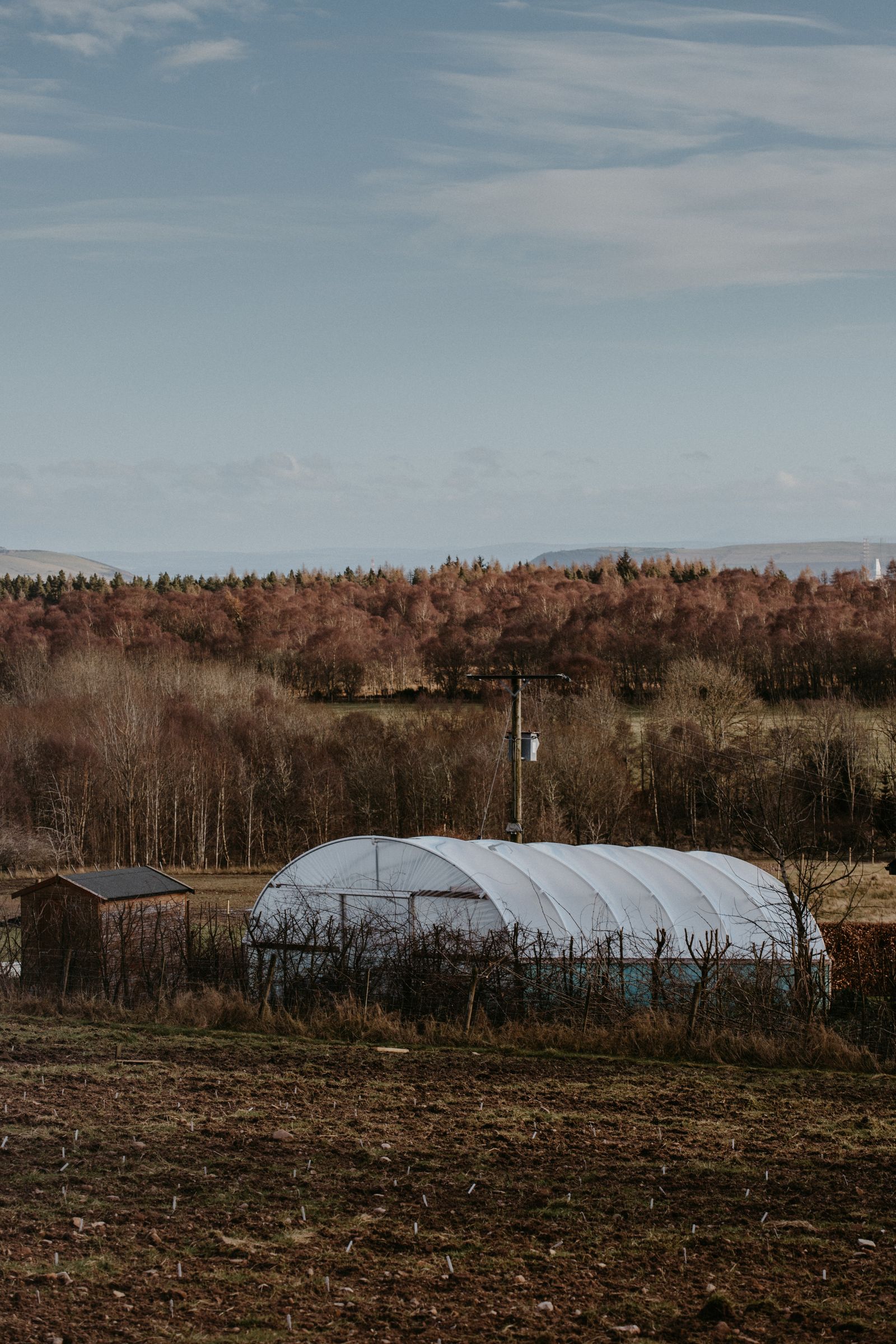
The real greenhouse category at the $500 to $1,000 price point consists of:
6x4 polycarbonate kits (~$300 to $500): The smallest size available in rigid polycarbonate from major manufacturers. At 24 square feet, this is a seed-starting and overwintering space, not a primary growing structure. The Palram series offers kits at this scale. The glazing is typically a combination of twin-wall poly on the roof and clear single-wall panels on the sides, with one small roof vent and one door.
At 6x4, the internal working height and floor space are tight. A single tall person can stand inside most models but cannot easily move around with trays and containers. This is the “just enough to be useful” footprint.
6x8 polycarbonate kits (~$499 to $750): This is the practical minimum for most growers. At 48 square feet, a 6x8 can hold 8 to 10 standard nursery flats for seed starting, or 6 to 8 large tomato containers in production use. There is room to work, move around, and maintain the plants without constantly reconfiguring the layout.
The Palram Canopia Harmony 6x8 is the most widely stocked kit in this category. The glazing is twin-wall polycarbonate on the roof and clear single-wall polycarbonate on the sides. Single roof vent and one door. For three-season growing in moderate climates, this works. For winter growing, the single-wall sides lose heat quickly and supplemental heating becomes a significant ongoing cost.
The Palram Canopia Snap and Grow 6x8 costs more (typically at or slightly above the $1,000 line) but provides twin-wall polycarbonate on all panels including the walls. For anyone planning cold-weather use, the thermal difference between single-wall and twin-wall sides is worth the price gap.
Comparing to the full product overview: For side-by-side specifications of all the polycarbonate kits in this category and the next tier up, the full greenhouse kit comparison covers glazing types, frame materials, and total cost of ownership for each product.
Hoop houses: a different product for different needs
A hoop house or high tunnel is not the same product as a polycarbonate greenhouse kit, though they overlap in price range. Understanding the distinction prevents buying the wrong structure.
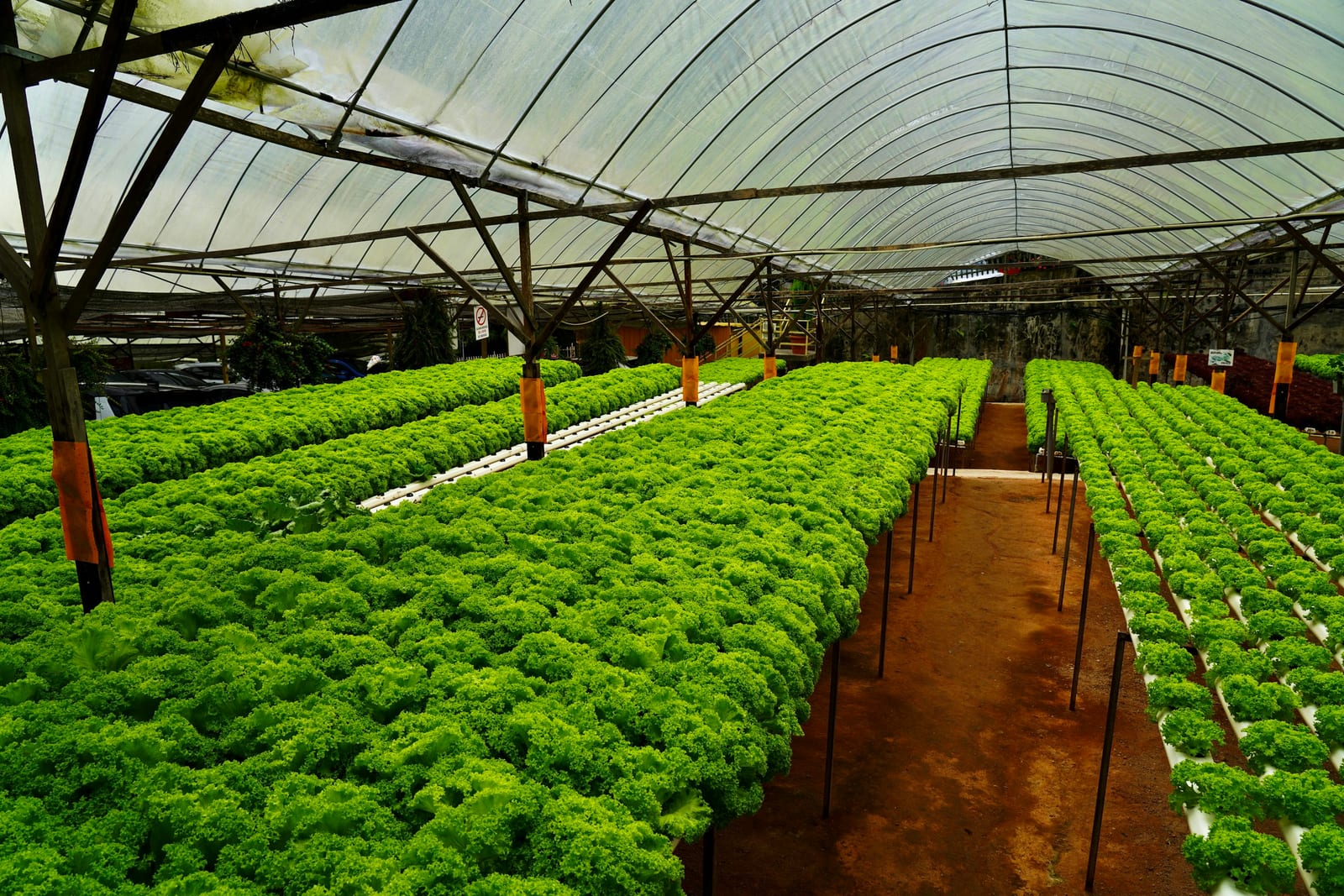
What a hoop house is: Galvanized steel or conduit hoops bent into a curve and covered with single-layer polyethylene film. Ground-level structure, no frame beyond the hoops. The cover is typically a 6-mil poly greenhouse film that is UV-stabilized for 4-year life. Anchored with ground stakes driven into the soil at each hoop base.
What a hoop house does well: Provides a large growing area at low cost per square foot. A 12x20 hoop house (240 sq ft) costs $300 to $600 and provides more growing space than any polycarbonate kit in the $1,000 category. Extends the season by protecting crops from frost. Warms faster than outdoor beds in spring.
What a hoop house does not do: The single-layer film provides limited insulation compared to twin-wall polycarbonate. In hard winters, temperatures inside a hoop house track outdoor temperatures more closely than a polycarbonate greenhouse. The film requires replacement every 4 years or so. The structure is not as wind-resistant as a rigid polycarbonate kit.
The high tunnel vs. greenhouse kit comparison goes deeper on this trade-off. The short answer: if the goal is maximum growing space on a limited budget in a mild climate, a hoop house provides more square footage per dollar. If the goal is year-round production in a cold climate with good insulation and longevity, a polycarbonate kit is the right structure.
What you will spend beyond the kit price
Every polycarbonate kit in the $500 to $1,000 range requires additional spending to get it functional. These costs apply regardless of brand:
Foundation or base: The most common approach at this budget is a pressure-treated lumber perimeter base or paver pad. Lumber for a 6x8 perimeter runs $80 to $150 in materials. A paver pad costs $100 to $300 depending on paver type and soil preparation needed. The greenhouse foundation guide covers every option.
Anchoring hardware: Most kits include attachment hardware for the base but not for anchoring the base itself to the ground. A set of Ashman auger ground anchors twists into soil to hold a lightweight kit against wind; ground augers or concrete corner footings run $80 to $200.
Ventilation hardware: A single roof vent is the minimum; adding a thermostat-controlled exhaust fan suitable for a 6x8 costs $150 to $300 at a garden supply store. Details are in the greenhouse ventilation guide.
Heating: A thermostat-controlled 1,500-watt electric heater adequate for a 6x8 runs $40 to $120. The cheap greenhouse heating guide covers the options by climate zone.
Total realistic budget for a $600 starter kit, fully functional:
- Kit: $600
- Base materials: $150
- Anchoring: $100
- Exhaust fan: $200
- Heater: $80
- Total: $1,130
That $1,130 is the real number. The kit listing price of $600 understates the investment by nearly half. This is not unique to budget kits; the same gap exists at every price point. The budget category just starts from a lower base.
How to choose
If the budget is firmly under $500: The 6x4 polycarbonate kit is the best available structure at that price point. It is small but real. Alternatively, a hoop house provides more space for less money if the climate allows.
If the budget stretches to $700 to $800: The 6x8 Harmony or equivalent is the right choice. Twin-wall roof, aluminum frame, one vent, one door. For zones 7 through 9 and three-season use, it is sufficient. For zones 5 and 6, plan from the start to add a second vent or fan and a thermostat-controlled heater.
If the budget is $900 to $1,000: The Palram Snap and Grow 6x8 (twin-wall throughout) becomes possible. That extra spend on glazing quality extends useful season significantly. Worth the stretch if cold-weather growing is part of the plan.
If the budget will not reach the Harmony: Do not buy a fabric pop-up as a consolation purchase. Save until the budget reaches a real polycarbonate kit. The fabric pop-up is not a stepping stone to the real structure; it is a different product that does a different job.
Accessories worth buying on day one
A budget kit leaves a few gaps the listing does not mention, and these close them cheaply.
- AcuRite indoor/outdoor digital thermometer: a remote probe shows the real overnight low inside, which is the number a single-wall starter kit hides.
- Agribon AG-19 floating row cover: a layer of frost cloth draped over plants buys a few extra degrees on the coldest nights a thin kit cannot hold.
- VIVOSUN AeroWave clip-on fan: a small clip-on fan keeps air moving in a single-vent kit, which evens out temperatures and cuts the mildew that stagnant air invites.
- Stainless steel greenhouse panel clips: spare clips reseat the polycarbonate panels that budget kits tend to pop loose in wind.
As an Amazon Associate, Defy Frost earns from qualifying purchases.