Field notes Buying Guides 9 min
Best 4-Season Greenhouse Kits for Cold-Climate Growing
Greenhouse kits that handle cold winters. Glazing thickness, snow load ratings, and the structural features that determine year-round growing performance.
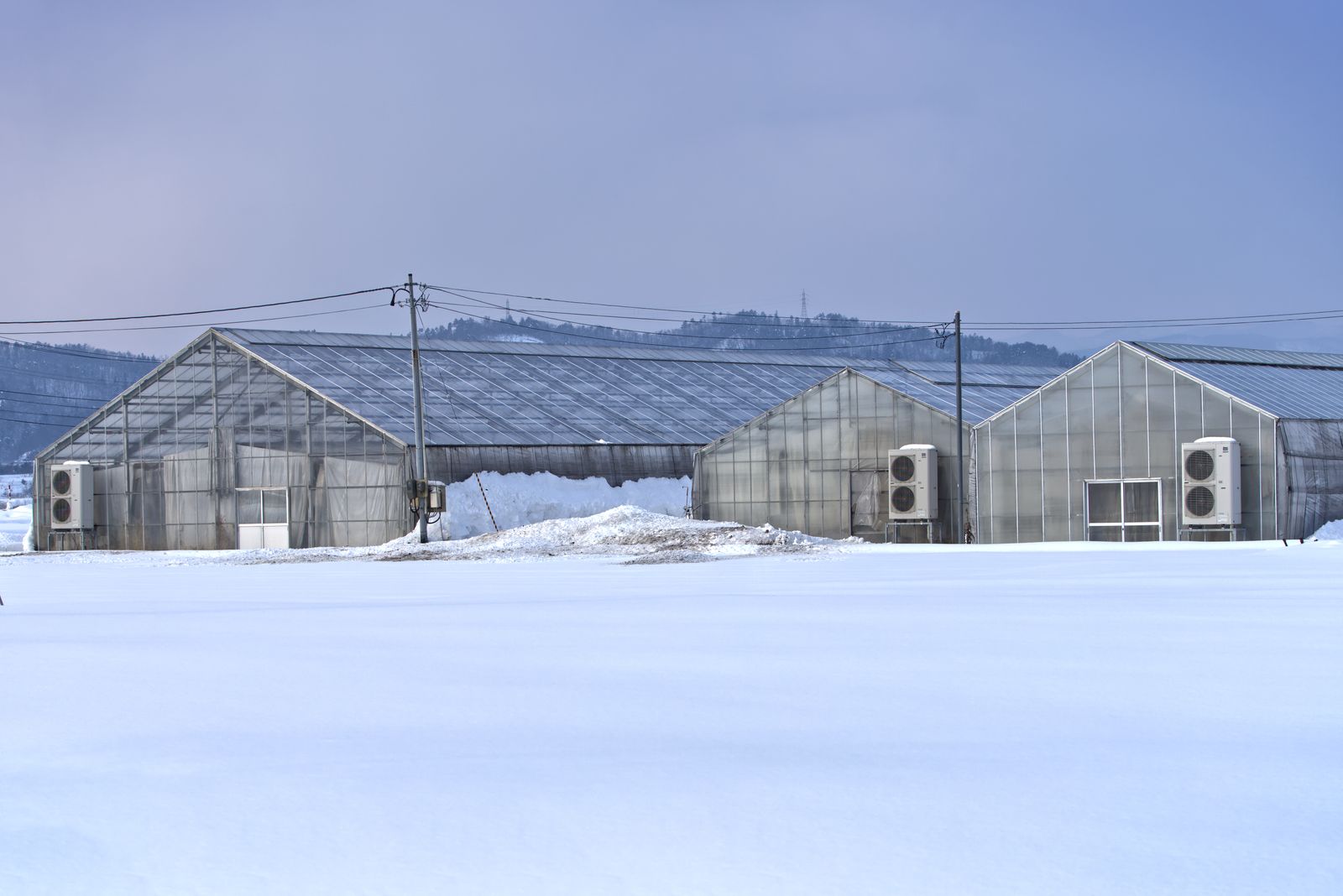
For year-round growing in cold climates, a greenhouse needs twin-wall polycarbonate on all panels, a steep roof pitch to shed snow rather than holding it, and a rigid frame rated for the local snow load. The Exaco Riga series is the residential benchmark for serious cold-climate performance; the Palram Snap and Grow is the step down for growers in zones 6 through 8 who want better winter performance than an entry-level kit provides.
Not all polycarbonate greenhouses are equal in winter. The features that separate a genuine 4-season structure from a 3-season kit with polycarbonate panels are specific and verifiable before purchase.
What makes a greenhouse actually 4-season
The term “4-season greenhouse” is applied loosely in the market. Some manufacturers apply it to any kit with a polycarbonate glazing. A useful definition requires the structure to hold temperatures above freezing with realistic supplemental heating in cold climates, survive typical regional snow loads without frame deformation, and remain functional in sustained cold without glazing failures or air infiltration from panel gaps.
The four features that determine this:
Twin-wall glazing on all panels, not just the roof. This is the most common point of confusion. Entry-level kits use twin-wall poly on the roof (where it looks premium) and single-wall clear panels on the sides (where single-wall is cheaper to manufacture). Single-wall sides are effective heat radiators: they lose warmth nearly as fast as a single pane of glass. A genuine 4-season kit has twin-wall throughout. The side walls are typically where you lose the most heat at night.
Roof pitch steep enough to shed snow. A flat or low-angle roof holds snow as a static load. A steep roof (typically 40 degrees or more) allows snow to slide off before it accumulates to a damaging weight. The Exaco Riga’s roof profile is specifically designed for snow shedding; many budget and mid-range kits use shallower pitches that accumulate load. The snow and wind load guide covers how to match regional snow loads to kit specifications.
Published snow load rating. Any kit marketed for cold climates should publish its panel load rating in pounds per square foot. If the rating is not listed, request it from the manufacturer or treat it as unrated. The rating matters in zone 4 and colder: a single-season snowfall can deposit 40 to 60 pounds of wet snow per square foot.
Frame rigidity. Aluminum frames are stronger than resin frames under static snow load. The connection points (where panels meet the frame) are the failure points in underrated structures. Premium European designs (Exaco, Juliana) engineer these connections for cold-climate performance; entry-level kits prioritize ease of assembly over structural margin.
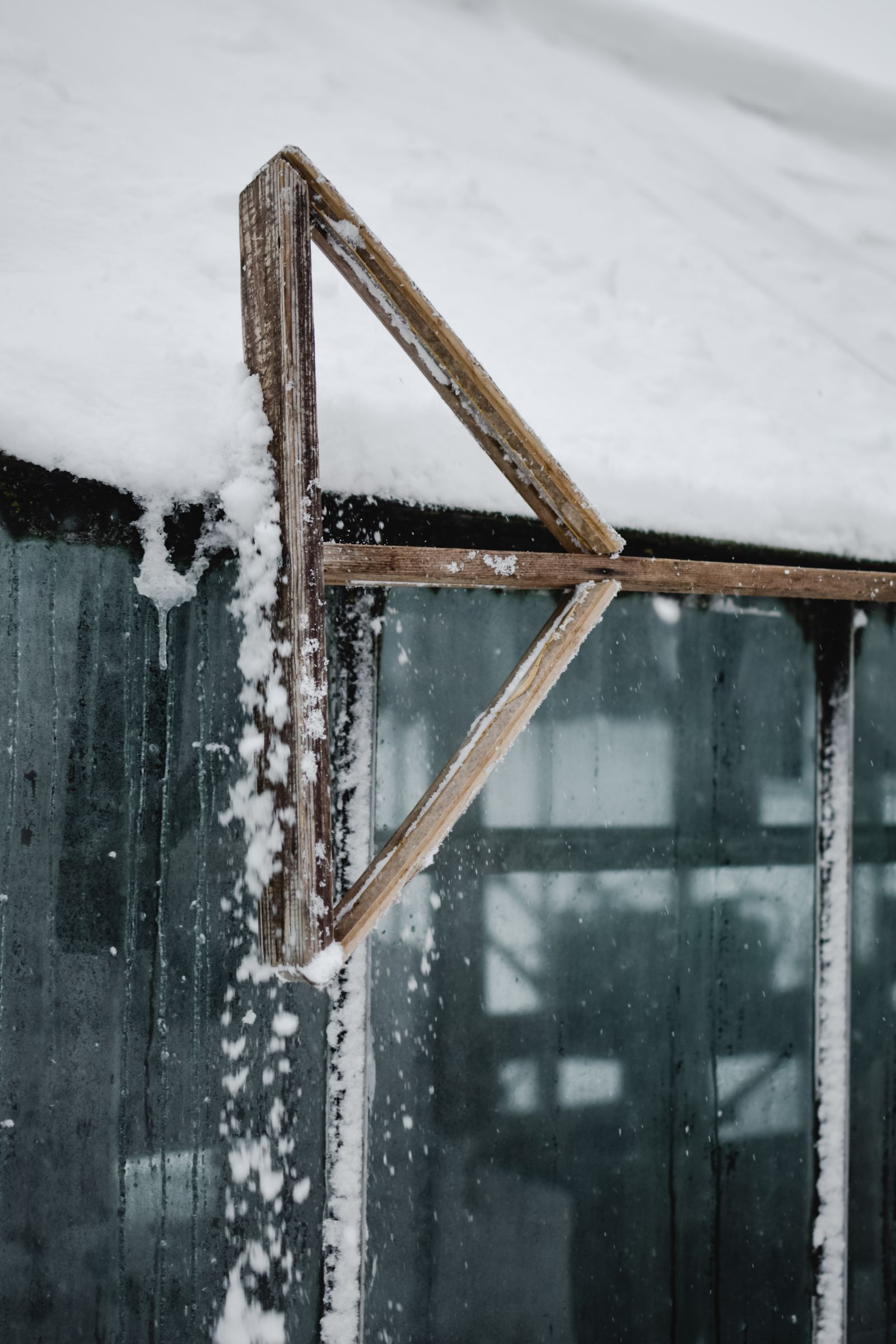
The Exaco Riga series: the residential benchmark
The Exaco Riga IV is the most thoroughly tested cold-climate residential greenhouse kit in the market at the time of this writing. A full review with specifications, build notes, and performance assessment is at /blog/exaco-riga-review/. The relevant summary for this comparison:
Footprint: 11.5 x 15.7 feet (approximately 180 sq ft).
Glazing: 4mm twin-wall polycarbonate on all panels, including the two end walls and all side walls. Not single-wall anywhere.
Frame: Aluminum, notably rigid. The frame design connects at the ridge with a solid extrusion rather than a slip joint, which provides better snow load performance than the clip-and-slot connections typical of budget kits.
Roof pitch: High and steep. Snow slides off rather than accumulating. Growers in zone 3 and 4 report the roof managing significant snowfall without manual clearing.
Doors: Two offset sliding doors at each end. The offset configuration allows both ends to be open simultaneously for natural cross-ventilation without creating a direct draft through the entire structure. This matters in summer; in winter, a second door also provides a redundant exit if one freezes.
What is not included: Foundation, anchoring, heating, and electrical. These add substantially to the cost for a permanent structure of this size. The greenhouse foundation guide covers the options; a concrete slab or permanent timber frame base is appropriate for a structure at this scale.
Who it is for: A grower in USDA zones 3 through 7 who wants a permanent structure, plans to use it year-round, and is investing for a 15 to 20 year lifespan. This is not a starter kit. It is the structure to buy when the growing program is already established and the scale is appropriate.
The Riga line comes in multiple sizes (II, III, IV, V). The IV is the most widely stocked in the US. Smaller Riga models (II and III) are available for growers with space constraints; the structural design is the same across the line.
Palram Canopia Snap and Grow: the step down
For growers who want meaningful cold-climate performance at a lower price point than the Riga, the Palram Canopia Snap and Grow series is the main option in the mainstream market.
What it does that the entry-level Harmony does not: Twin-wall polycarbonate throughout, including the side walls. This is the single specification that separates it from the Harmony at the same footprint. For cold-climate growing, twin-wall sides significantly reduce overnight heat loss compared to the Harmony’s single-wall sides.
What it does not have compared to the Riga: Lower roof pitch (more snow accumulation risk in heavy snowfall regions). Lighter frame construction. One roof vent in the base unit, which is undersized for summer without a fan addition. No published snow load rating for extreme conditions.
What footprint is available: The Snap and Grow 6x8 is the base configuration; 4-foot extension kits allow it to be extended to 6x12, 6x16, and beyond. This modular approach is a genuine advantage for growers who want to expand without buying a new structure.
Who it is for: A grower in zones 6 through 8 who wants better winter thermal performance than the Harmony entry level, in a moderate snow region (not the upper Midwest or mountain West), at a price below the Riga investment. It is a mid-range choice that provides real cold-weather utility without the Riga’s structural margin for heavy snow.

Heating and electrical requirements for year-round use
A 4-season greenhouse is not fully functional without a heating plan. The glazing quality determines how much heat is needed; the heating system determines whether the target minimum temperature is achievable.
What temperature to target: For most vegetable crops, maintaining above 32°F (0°C) keeps the structure frost-free and allows overwintering of established plants. For active production of greens and cold-tolerant crops through winter, a minimum of 45 to 50°F is more useful. Heating to 60°F or above for warm-season crop production in a cold-climate greenhouse requires substantially more energy.
What heating costs in practice: Detailed sizing and cost calculations by structure size and climate zone are in the cheap greenhouse heating guide. The short version: a well-glazed 6x8 twin-wall greenhouse maintaining 40°F in a zone 6 winter requires roughly 500 to 1,000 watts of thermostat-controlled heat, costing $40 to $80 per month at average US electricity rates. A sealed electric unit sized for that range, like the Bio Green Palma greenhouse heater, is the common pick at this scale. An 11.5x15.7 Riga IV requires proportionally more heating capacity but less per square foot due to better insulation.
Electrical connection is required: A dedicated outdoor-rated circuit is necessary for reliable winter heating. An extension cord through a door gap creates weather infiltration, introduces trip hazard, and is a fire risk in wet conditions. Budget for a dedicated 20-amp circuit before the heating season. The greenhouse electrical guide covers the wiring options.
Thermostat control: A thermostat that activates the heater at a set minimum temperature is not optional for winter use. Manual-control heaters run until turned off, either overheating the space (waste) or failing to recover if the overnight low drops suddenly. A plug-in controller like the Inkbird ITC-308 temperature controller turns the heater on at 38°F and off at 45°F, which maintains the target range and keeps electricity costs predictable.
Other brands worth researching
Two European brands are well-regarded for 4-season performance but could not be fully verified for current US availability and pricing:
Juliana (Danish): The Compact and Initia series are marketed for Nordic climate performance. Twin-wall throughout, steep roof pitch, glass or polycarbonate glazing options. Juliana’s US distribution is more limited than Exaco’s; verify current availability and pricing at julianagreenhouse.com before planning around this brand.
Vitavia (German): Glass-panel greenhouses with good cold-climate performance in the European market. Less US distribution. Verify at vitavia.de or through a US-stocking retailer before selecting Vitavia for a cold-climate application.
For US-distributed brands, the Exaco Riga series has the most documented performance data and the widest distribution through US greenhouse specialty retailers.

Choosing between the Riga and the Snap and Grow
The decision depends on two variables: climate zone and intended use.
If the goal is year-round growing in zones 3 through 6: The Exaco Riga IV or a comparable European premium kit is the right structure. The Snap and Grow’s lower roof pitch and lighter frame are risk factors in heavy snow regions. The extra investment in the Riga is a structural decision, not a luxury upgrade.
If the goal is extended-season growing in zones 6 through 8, with mild winters: The Snap and Grow’s twin-wall sides are a meaningful improvement over the Harmony entry level, and the lighter snow load and warmer winters make the Riga’s additional structural margin less important. The Snap and Grow is adequate and significantly less expensive.
If the budget does not reach the Riga: Do not compensate with a single-wall kit and more heating. A single-wall greenhouse in a cold climate requires significantly more energy to maintain temperature, and the energy cost over 5 years may exceed the price difference between the kits. Start with a 6x8 Snap and Grow at a lower total investment rather than an undersized entry-level kit with higher ongoing costs.
For background on crops and production scheduling through the winter months, the winter growing guide covers what grows well in a cold-climate greenhouse from November through March and how to manage the light and temperature constraints of that period.
Accessories worth buying on day one
A 4-season kit is the structure; these are the parts that make it hold temperature and stay usable through a real winter.
- AcuRite indoor/outdoor digital thermometer: a remote probe tells you the actual overnight low inside before you trust the kit with seedlings.
- Bayliss MK7 automatic vent opener: a wax-cylinder opener vents the roof on sunny winter days so the structure does not cook while you are away.
- 4-tier greenhouse staging shelves: vertical bench space puts more trays and overwintering pots into a small footprint.
As an Amazon Associate, Defy Frost earns from qualifying purchases.